


- HOME >
- New Arrival at HOJO Online Shop
New Release: Tsukigase Black Tea Benihikari
- [2026.08.07] Posted By Akira Hojo
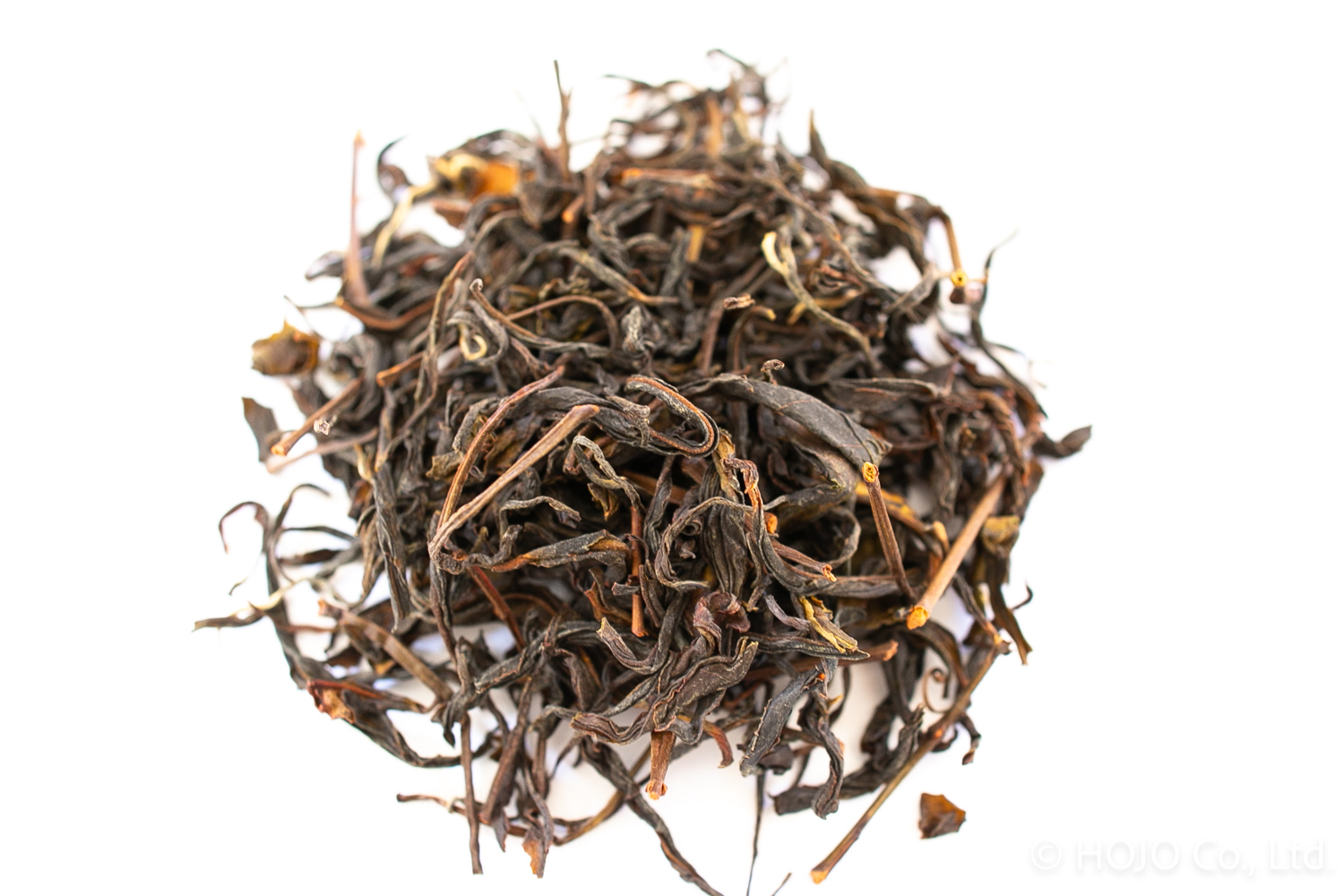
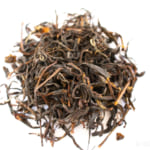
We have released a black tea from Tsukigase, Nara Prefecture, made from the Benihikari cultivar grown without pesticides or fertilizers.
We developed this black tea together with the producer in Tsukigase, and we have been actively involved in improving the production process.
Naturally Cultivated Benihikari Black Tea from Tsukigase, Nara
Tsukigase, Nara, was formerly known as Tsukigase Village before being incorporated into Nara City in 2005. While many tourists visit Nara Prefecture every year, Tsukigase lies in a remote area surrounded by mountains and blessed with a rich natural environment. Although the administrative boundaries have changed over time, the area’s natural environment and terroir remain unchanged.
Located in the northeastern part of Nara Prefecture, Tsukigase borders Minamiyamashiro Village in Kyoto Prefecture and Iga City in Mie Prefecture. Tea gardens spread across the mountain slopes alongside the famous plum groves. The deep valley carved by the Nabari River creates a large day-night temperature variation, placing the tea trees under natural stress and giving the tea a soft taste and a clear flavor.
The soil in this region is derived from the ancient Lake Biwa Formation, which dates back approximately 5 million to 1 million years. The deeper layers contain ancient sediments and fossils, while the surface is covered with red soil, where tea gardens spread across the landscape. We specifically use tea grown on the mountain slopes, where the red soil gives the tea a long-lasting aftertaste and remarkable depth of flavor.
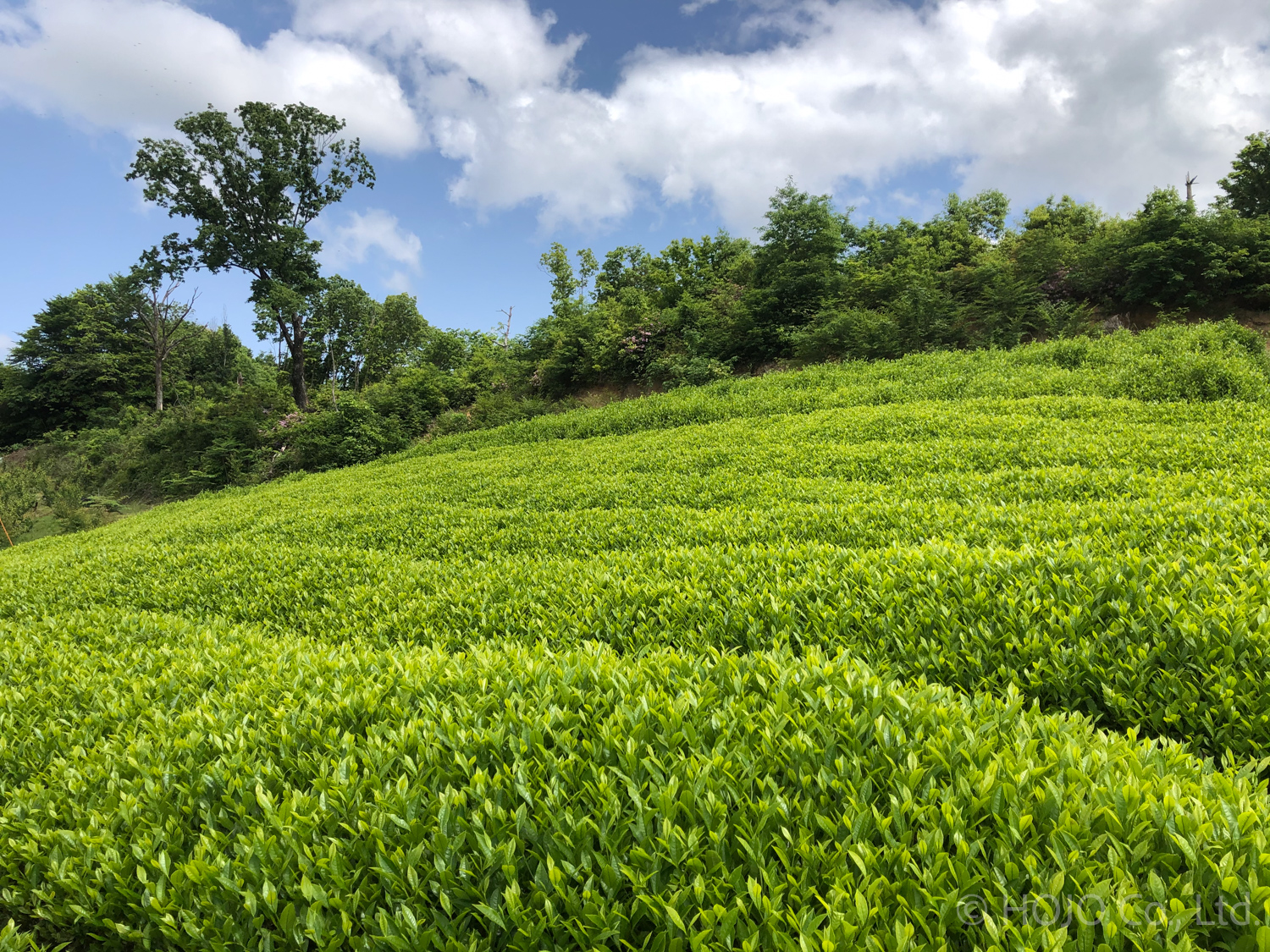
Tsukigase Tea Garden
The Importance of Controlling Enzyme Activity in Black Tea Production
Black tea produced in Japan is generally known as Wakocha. However, the vast majority of Japanese black teas have a distinctive musty or banana-like flavor, and these characteristics are widely regarded as typical of Wakocha.
In our view, however, these flavors are quality defects resulting from inadequate moisture management and insufficient control of enzyme activity during processing. A similar misunderstanding can also be found in natural wine, where volatile acidity or bean-like flavors are often mistaken as inherent characteristics of natural wine itself.
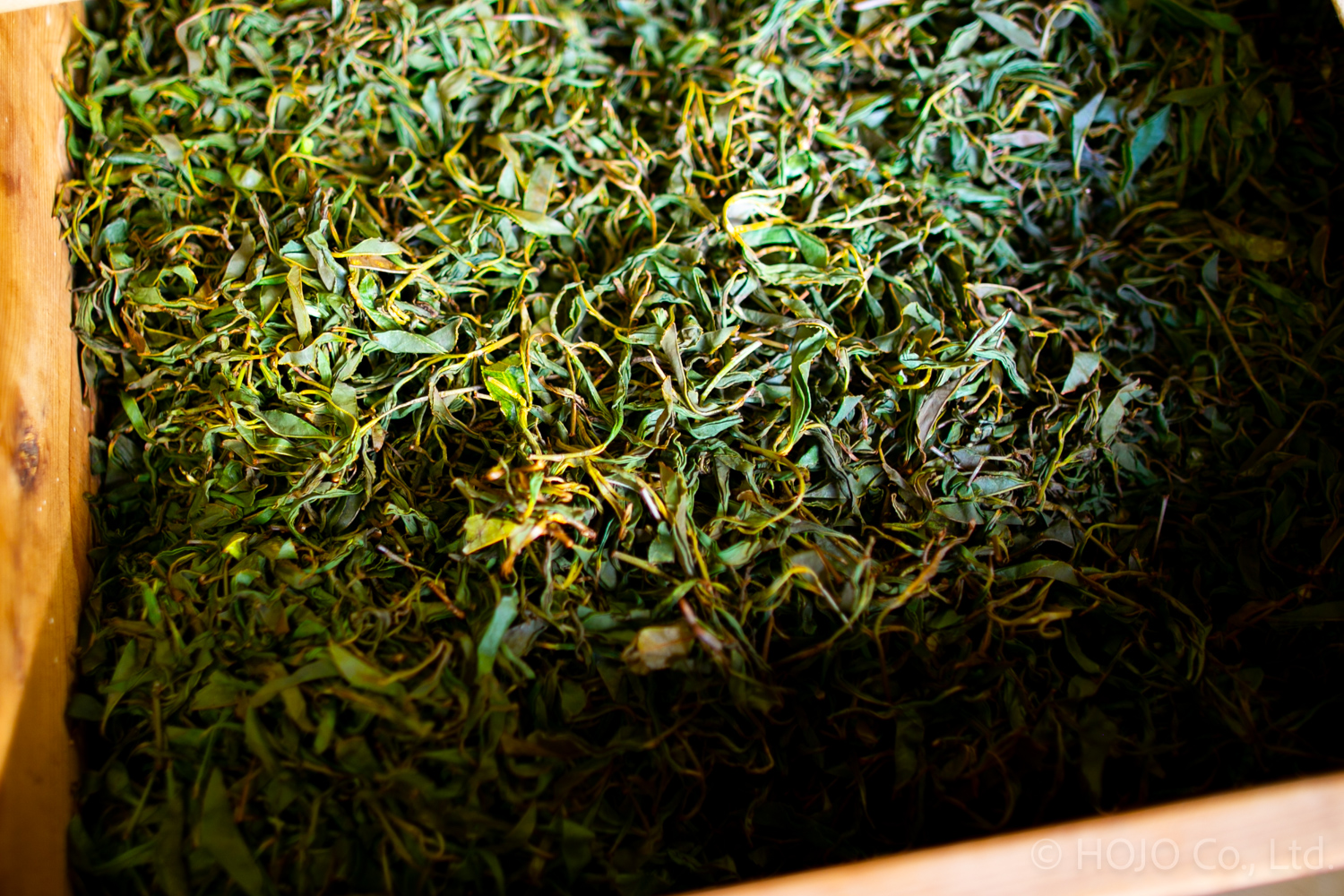
In Japan, black tea is often manufactured using equipment originally designed for Japanese green tea production, which is not suitable for black tea manufacture. As a result, the heating process is often insufficient and the drying process takes longer than it should, allowing oxidative enzymes to remain active for too long.
This excessive enzyme activity causes over-oxidation of polyphenols into thearubigins while amino acids are broken down, producing the characteristic musty odor. The same phenomenon can also be found in black teas produced in Taiwan, China, and India.
Throughout the development of this tea, we have worked closely with the producer, providing advice on improving the production process to bring out the flavor that black tea is meant to have. We place great importance on how each stage of the manufacturing process is designed and controlled. We carefully monitor the conditions of every processing step, evaluate the finished tea, and select only black teas with a clean, well-balanced flavor for our exclusive use.
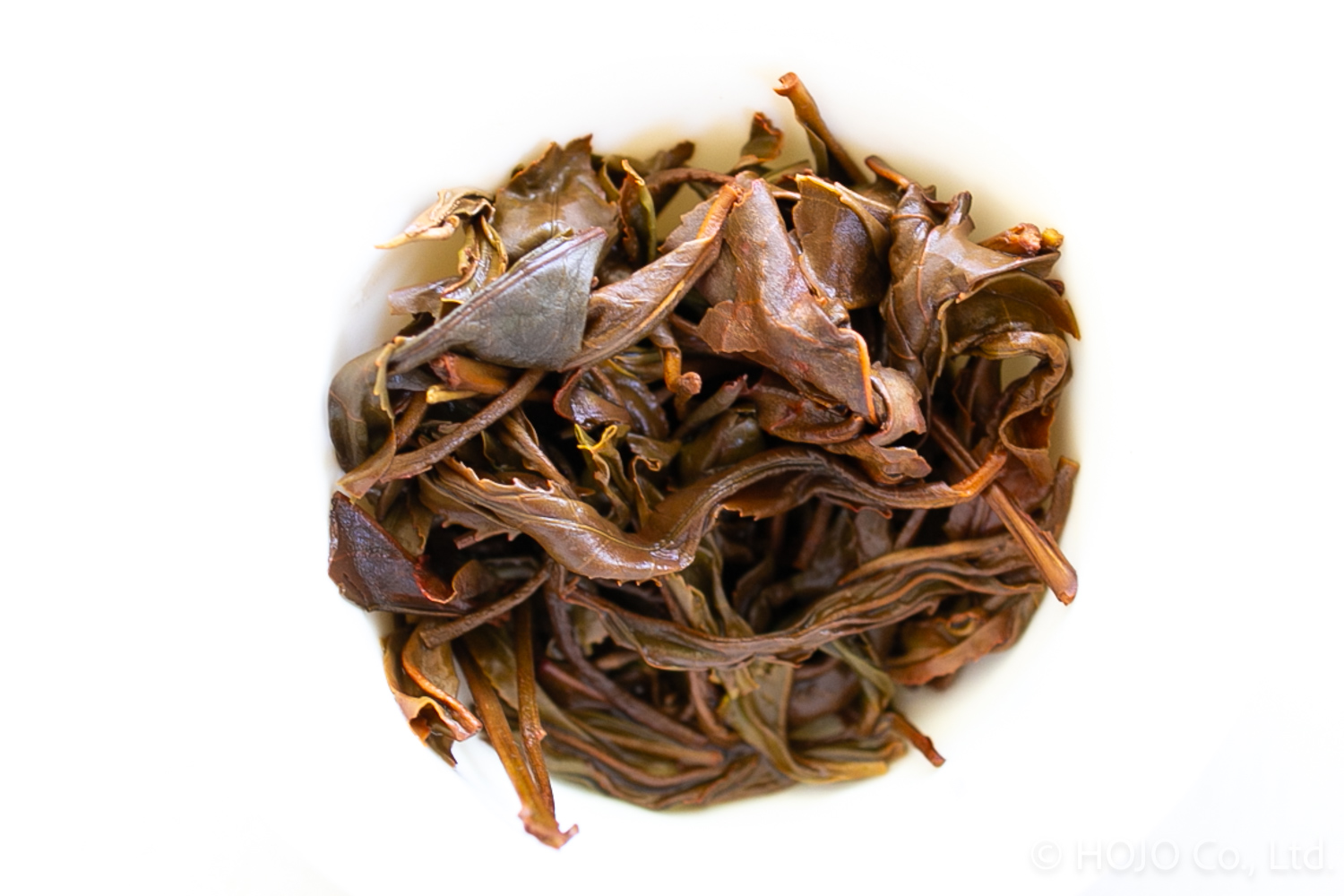
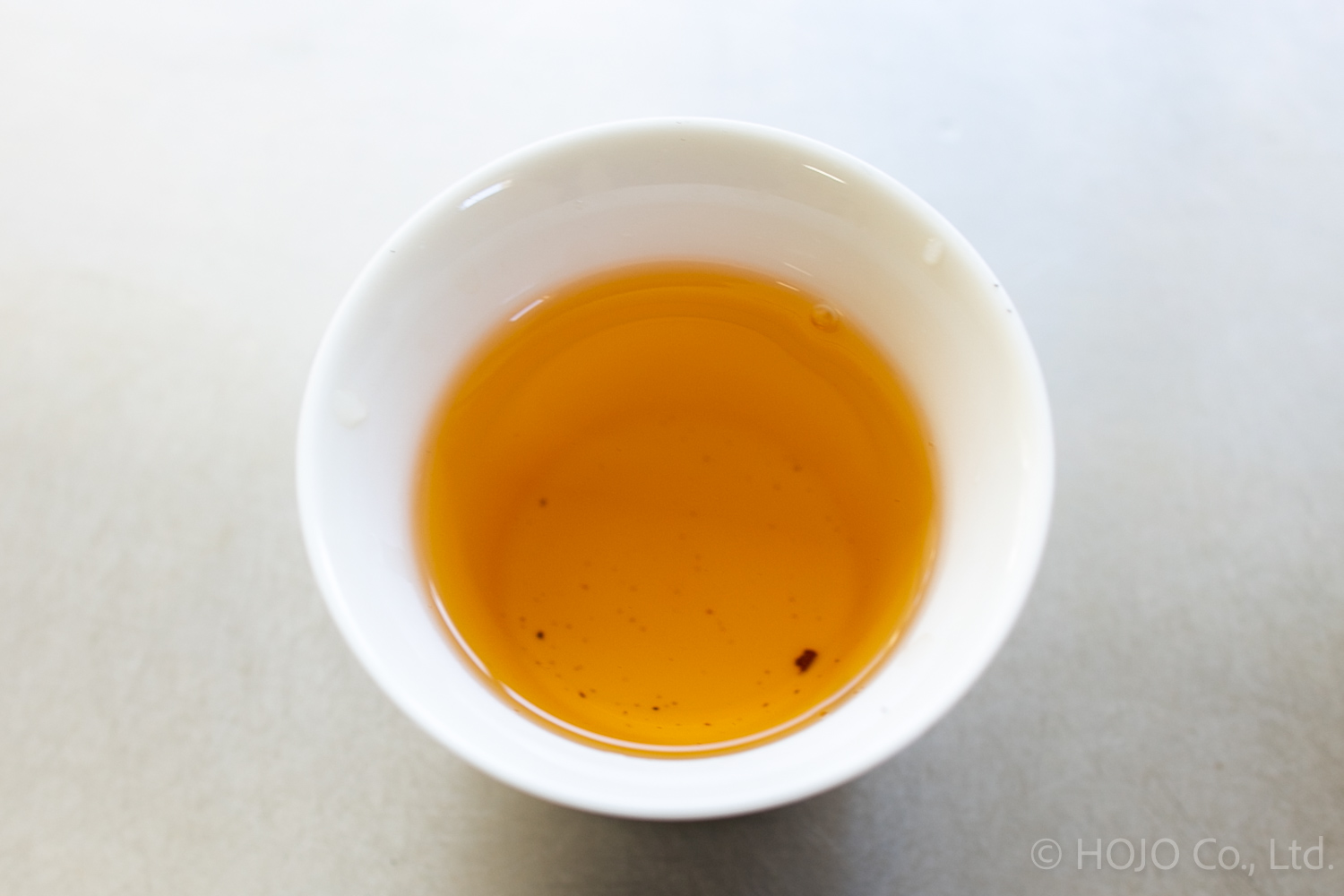
Black Tea with Notes of Pineapple, Muscat, and Honey
Benihikari is a black tea cultivar developed in Japan in 1969. It was bred by crossing Benikaori with a Chinese tea variety and is known for its refreshing flavor reminiscent of menthol.
This black tea is processed with a relatively light level of oxidation, though not to the same degree as a Darjeeling First Flush. Its lighter style retains a vibrant and refreshing flavor, with delicate hints of natural menthol accompanied by muscatel, floral, peach, and honey-like notes.
The liquor is clean, bright, and refined, with a refreshing finish that lingers pleasantly on the palate. Even after multiple infusions, the tea retains its clean and expressive flavor remarkably well. It also tastes wonderful when cold brewed.
How to Buy This Tea?
For international customers, please refer to the following page for pricing:
https://hojotea.com/img/tealineup10.pdf
Please send your inquiry to us via email at info2@hojotea.com.
For customers in Malaysia, Singapore, and Brunei, please click here to visit the product page.
https://shop.hojotea.com.my/collections/japanese-black-tea-1/products/tsukigase-black-tea-benihikari
- Please share with your friends
- Do you find our articles informative and useful? If yes, please kindly share it with your friends. We look forward to your opinion and comment as well.

Related Articles
How to get the latest update on HOJO?
1. Follow Twitter, 2. Click "Like" on Facebook, and 3. Subscribe in newsletter. You can have the latest tea news from HOJO.
 Subscribe the Newsletter to enjoy the privileges
- You may receive a free sample upon purchase, or you may have the priority to purchase special products. So please remember to subscribe our newsletter as well as the social network.
HOJO TEA Online Shop NEWS
- New Release: Da Xue Shan Wild White Tea 2026, Loose Leaf
- We have released Da Xue Shan Wild White Tea 2026 in loose-leaf form.
- Ancient White Tea 2026 and Ancient Bai Mu Dan 2026 Are Now Available
- We have released two white teas produced by us in Yunnan in 2026: Ancient White Tea 2026 and Ancient Bai Mu Da …
NEW ARTICLES
 New Release: Da Xue Shan Wild White Tea 2026, Loose Leaf
- We have released Da Xue Shan Wild White Tea 2026 in loose-leaf form.
 Ancient White Tea 2026 and Ancient Bai Mu Dan 2026 Are Now Available
- We have released two white teas produced by us in Yunnan in 2026: Ancient White Tea 2026 and Ancient Bai Mu Da …
 Yong De Wild White Tea 2026 – Limited Release
- We have released Yong De Wild White Tea 2026. We can produce only a very limited quantity each year, and it us …
 New Release: High Mountain White Tea 2026
- We have released 2026 High Mountain White Tea, one of our popular white teas. This white tea is made from tea …
 New Release: Tsukigase Black Tea Benihikari
- We have released a black tea from Tsukigase, Nara Prefecture, made from the Benihikari cultivar grown without …
 New Release of Tsuge Woodfire Hojicha
- We have created a hojicha unlike conventional hojicha through our choice of raw materials, heat source, and ro …
 New Release: Da Xue Shan Wild Raw Pu-erh Tea 2026 Loose
- We have released the loose-leaf version of Da Xue Shan Wild Raw Pu-erh Tea. Loose-leaf wild tea is produced in …
 3 Types of Loose Leaf Ripe Pu-erh: One-Week Pre-Order Until 14th May
- We have been working with both raw and ripe pu-erh for more than 15 years. Over the years, our focus has been …
 Li Hua Lin Ancient Tree Raw Pu-erh Tea 2025 Loose Comparable to Single Tree Tea
- We have released Li Hua Lin Raw Pu-erh Tea 2025 Loose. This tea is made from material harvested from ancient t …
 Yunnan Field Report 2026: Climate Conditions and Tea Growth This Year
- We have been in Yunnan since March 28, and from the 29th, we have been producing and sourcing tea mainly in Yo …
Category
- New Arrival at HOJO Online Shop
- Featured Articles
- Newsletter
- Types of Tea
- Origin of Tea
- Teapot and Tea Equipment
- Tea Column
- How to enjoy tea
- Tea Processing
- How to choose quality tea
- Tea constituents and functional effect
- Safety of Tea
- Foods
- Tea Business Operation
- Hobby and Outdoor Activity
- Ranking of Tea
- Video
- FAQ
- Media Release
Profile

- AKIRA HOJO
- I invite you to experience my tea selections.I was born in Nagano, Japan. In university, I studied agricultural chemistry, and I have the master degree in food science. I worked in Japanese food industry for 10 years. I involved in R&D, QC and QA. As a factory manager, I implemented ISO9000 series and managed the factory.


Media Release
- The Art of Tea Magazine
- We posted the article on “The Art of Tea Magazine No.9, the magazine is published in Taiwan. We featured …

- New Straits Times
- The Malaysian National Newspaper, New Straits Times featured HOJO Tea on 17-Oct-2007.
Shop Info

Address:Lot No. T-215, 3rd Floor, The Gardens Mall, Mid Valley City, Lingkaran Syed Putra, 59200 Kuala Lumpur
Tel: +603-2287-4537
Business Hour: 10am to 10pm