


- HOME >
- New Arrival at HOJO Online Shop
3 Types of Loose Leaf Ripe Pu-erh: One-Week Pre-Order Until 14th May
- [2026.05.07] Posted By Akira Hojo
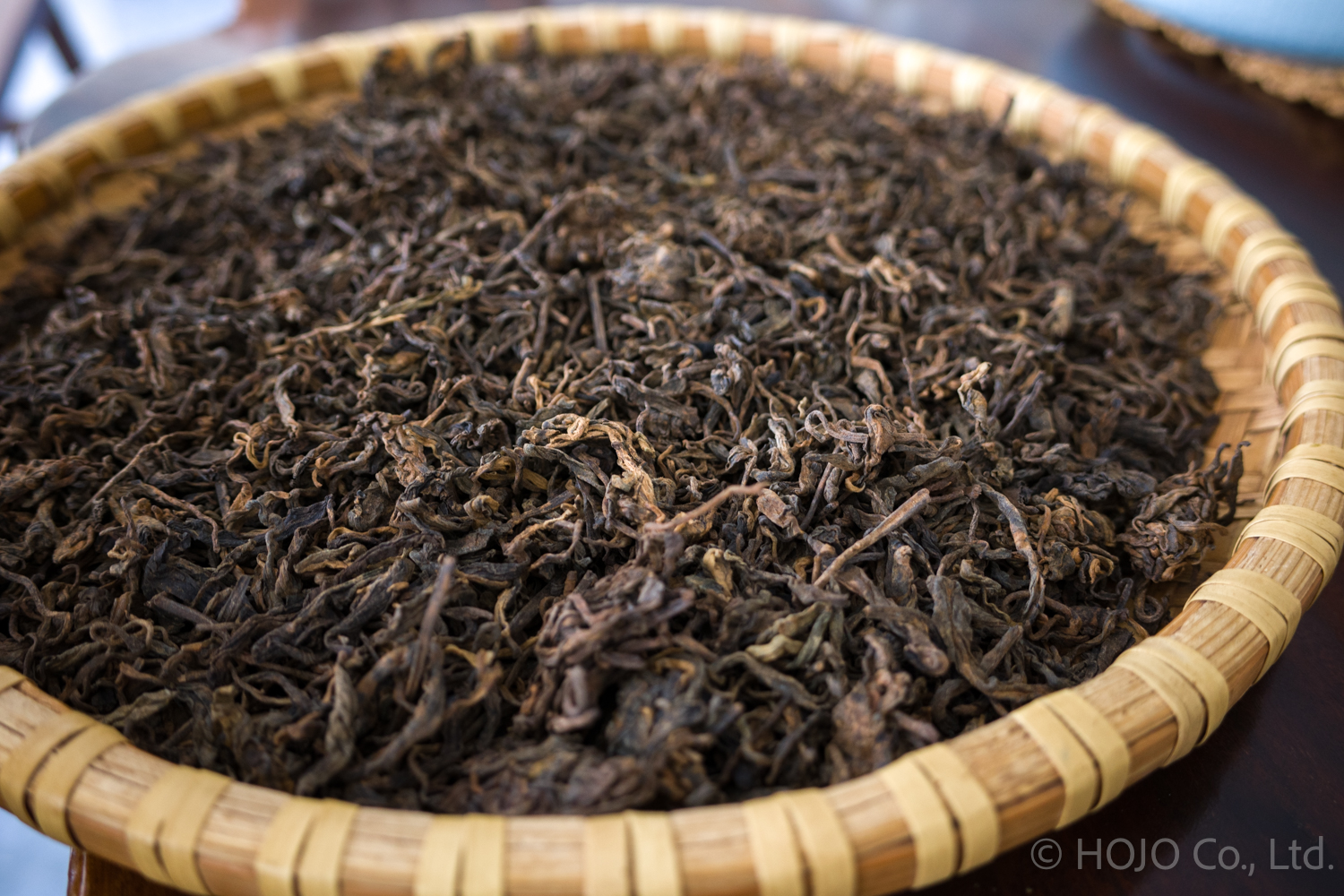
We have been working with both raw and ripe pu-erh for more than 15 years. Over the years, our focus has been on small-batch production, origin, and flavour character, mainly in raw pu-erh.
Recently, we have seen growing interest in applying the same approach to ripe pu-erh, both in the Yunnan tea market and among our customers.
During our one and a half month stay in Yunnan this spring, we visited a number of ripe pu-erh producers. Rather than large scale production, we focused on those working with smaller batches, around one ton of tea leaves, with the aim of producing higher grade tea. Through this, we found several teas with distinctive flavour profiles and well controlled processing.
We plan to compress these teas into cakes and release them later. Before that, we would like to offer a one week limited pre-order for the loose leaf versions. Since this is a pre-order, delivery will take place after the teas arrive. Import will take at least one and a half months, so delivery is expected around late June or July.
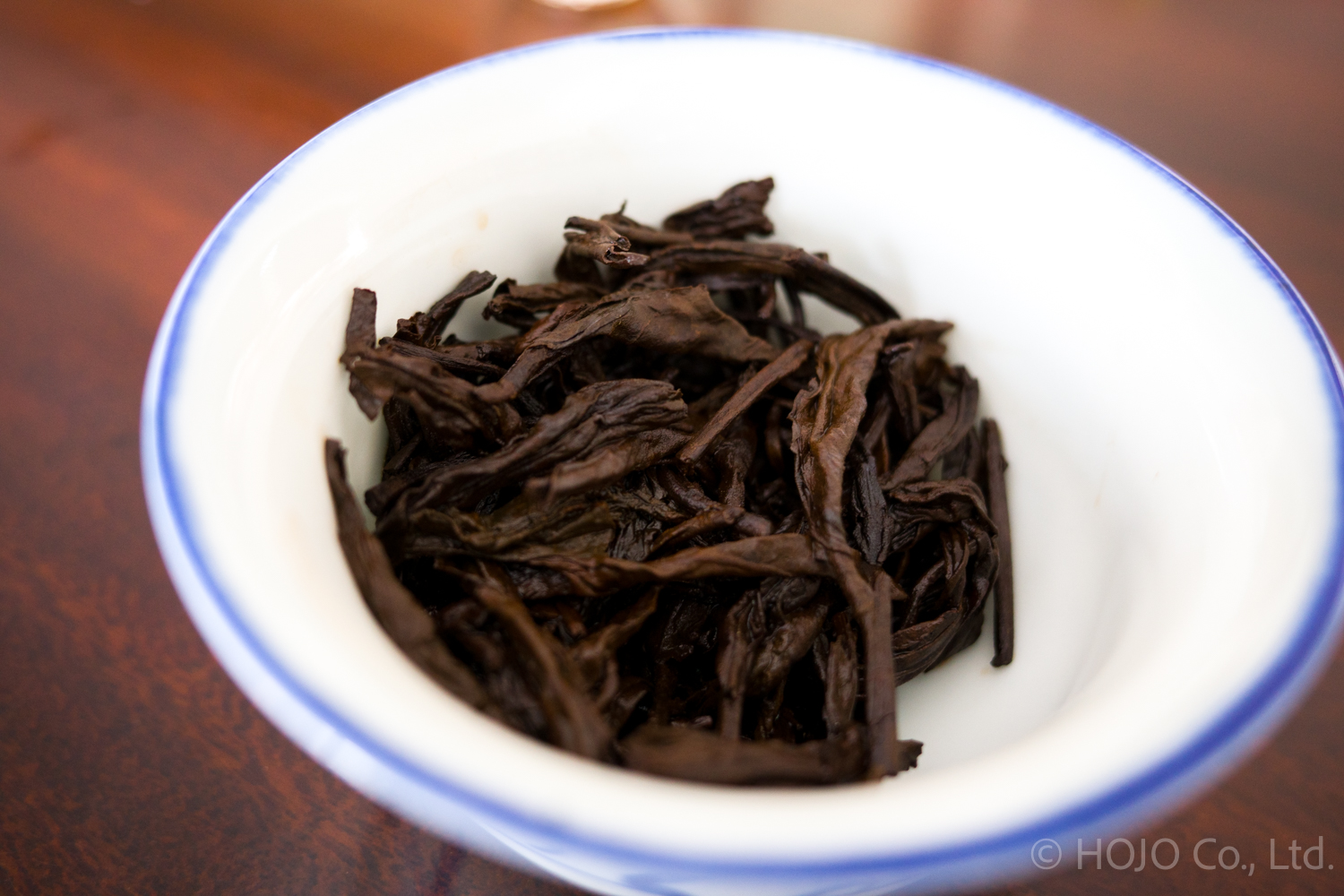
Why Buy Loose Leaf?
Ripe pu-erh goes through deep microbial fermentation, so many people assume that loose leaf and compressed tea cakes do not differ much in flavour. In reality, this is not the case at all. We source our tea as loose leaf and then have it compressed by trusted craftsmen, which allows us to compare both forms directly. The difference is very clear, both in flavour and aroma.
Here is why.
Raw pu-erh is processed through withering, followed by pan-firing at relatively low temperature, then rolling and sun drying. Because most of the original leaf constituents remain intact, the leaves retain natural stickiness, and only a small amount of steam is needed before compression. In other words, the steaming process for raw pu-erh is relatively light and controlled.
Ripe pu-erh is different. During microbial fermentation, many of the leaf constituents are broken down, and the leaves lose their stickiness and become drier. Because of this, much more steam is required during compression, and the leaves absorb a significant amount of moisture. If we attempt to dry them naturally under shade, quality may decline before they are fully dry, so in practice, hot air drying is used.
However, this drying method affects the tea. Compared to loose leaf, both flavour and aroma change after compression. Tea cakes do develop their own character, but it usually takes at least one year of storage for those qualities to settle and show.
Loose leaf, on the other hand, offers something that tea cakes do not. The mouthfeel is softer, the flavour is more layered, and there is a certain clarity that exists only before compression.
For this reason, we would like to offer these newly sourced ripe pu-erh teas in loose leaf form. We will be releasing three types of ripe pu-erh as loose leaf teas through pre-order.
Myanmar Guo Gan Ripe Pu-erh
One of the main objectives of our sourcing trip to Yunnan this year was to procure Guo Gan ripe pu-erh from Myanmar.
Guo Gan ripe pu-erh has long been one of our most popular teas, and we are currently completely sold out.
We have also been receiving many requests for restocking from customers in Japan and overseas.
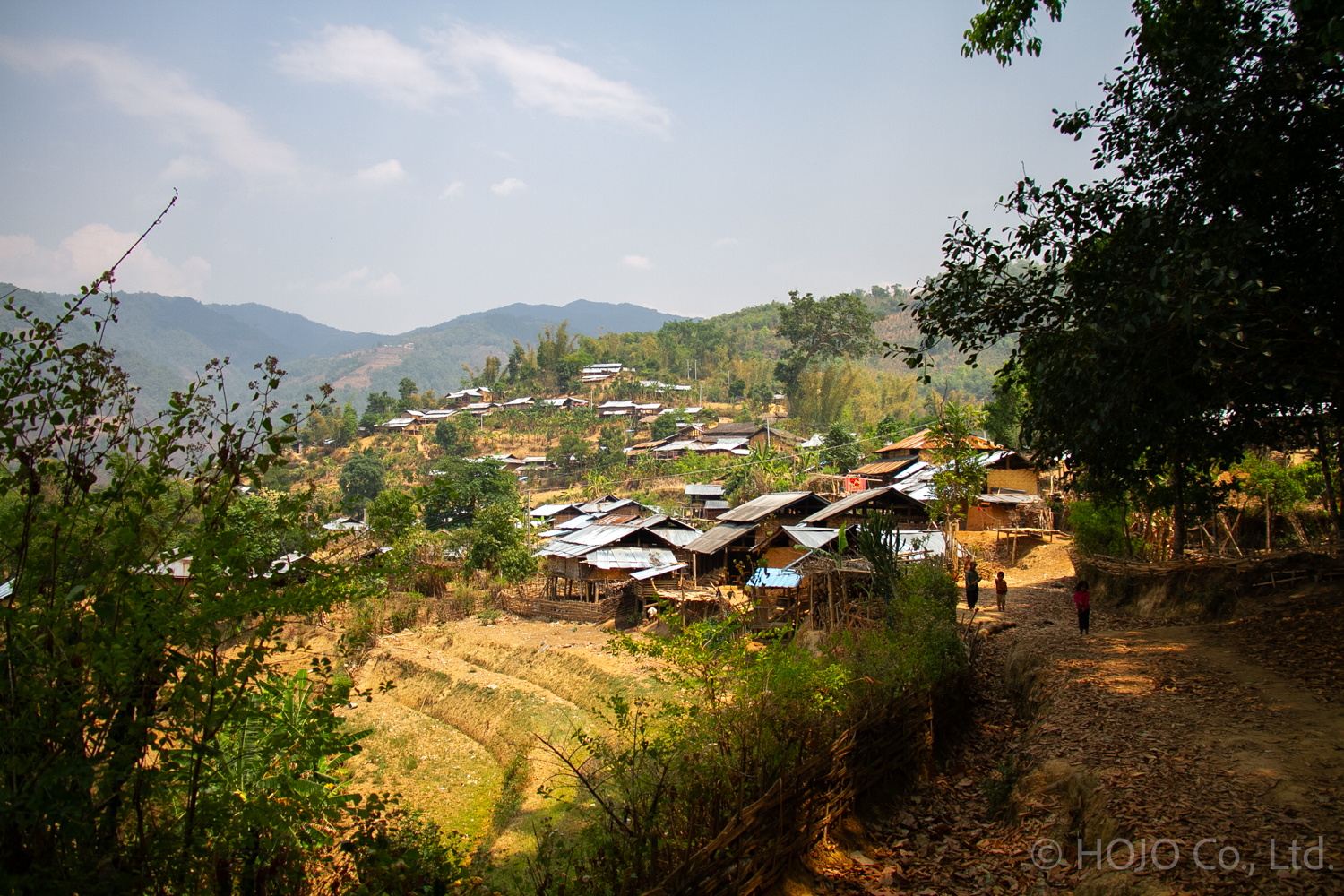

Guo Gan is an autonomous region in northern Shan State, Myanmar, bordering Zhenkang County in Lincang, Yunnan. Most of the population is of Han Chinese origin, and their daily language is a Yunnan dialect of Chinese. The Chinese yuan is widely used, and Chinese-style writing, education, and cultural practices are still very much part of everyday life. In many ways, it functions as a Chinese cultural enclave within Myanmar, with strong and lasting Chinese influence.
Historically, this region was once part of China. Following an agreement in 1897, it was incorporated into British Burma and later became part of Myanmar. Even so, the local population has continued to maintain a strong Chinese cultural identity. From our conversations with local residents in Guo Gan, as well as people from Guo Gan working in Yunnan, many naturally see themselves as culturally Chinese.
Character of Guo Gan Ripe Pu-erh
The defining character of Guo Gan ripe pu-erh is its dense and full-bodied mouthfeel. We believe this is closely related to the geology of the region. Northern Shan State, including Guo Gan, was once an ancient seabed, where layers of limestone formed from the Palaeozoic to the Mesozoic era and were later uplifted to become land. As a result, the soil in this region is rich in limestone and minerals such as calcium, and it belongs to the same geological belt as Yongde and Zhenkang in Lincang, Yunnan. This mineral-rich soil is likely one of the key factors behind the weight, depth, and distinctive texture of Guo Gan tea.
Tea Production and Supply Chain
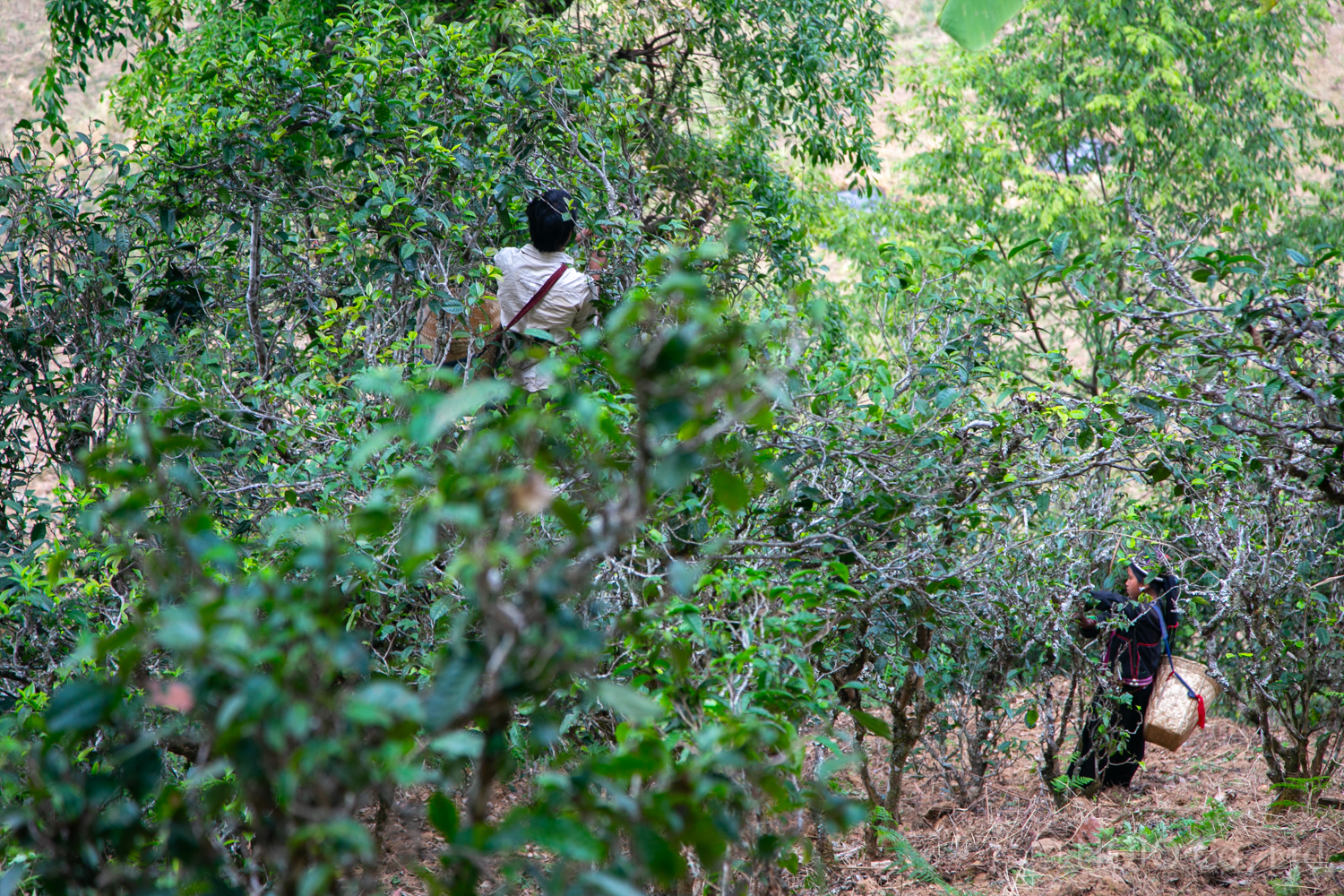
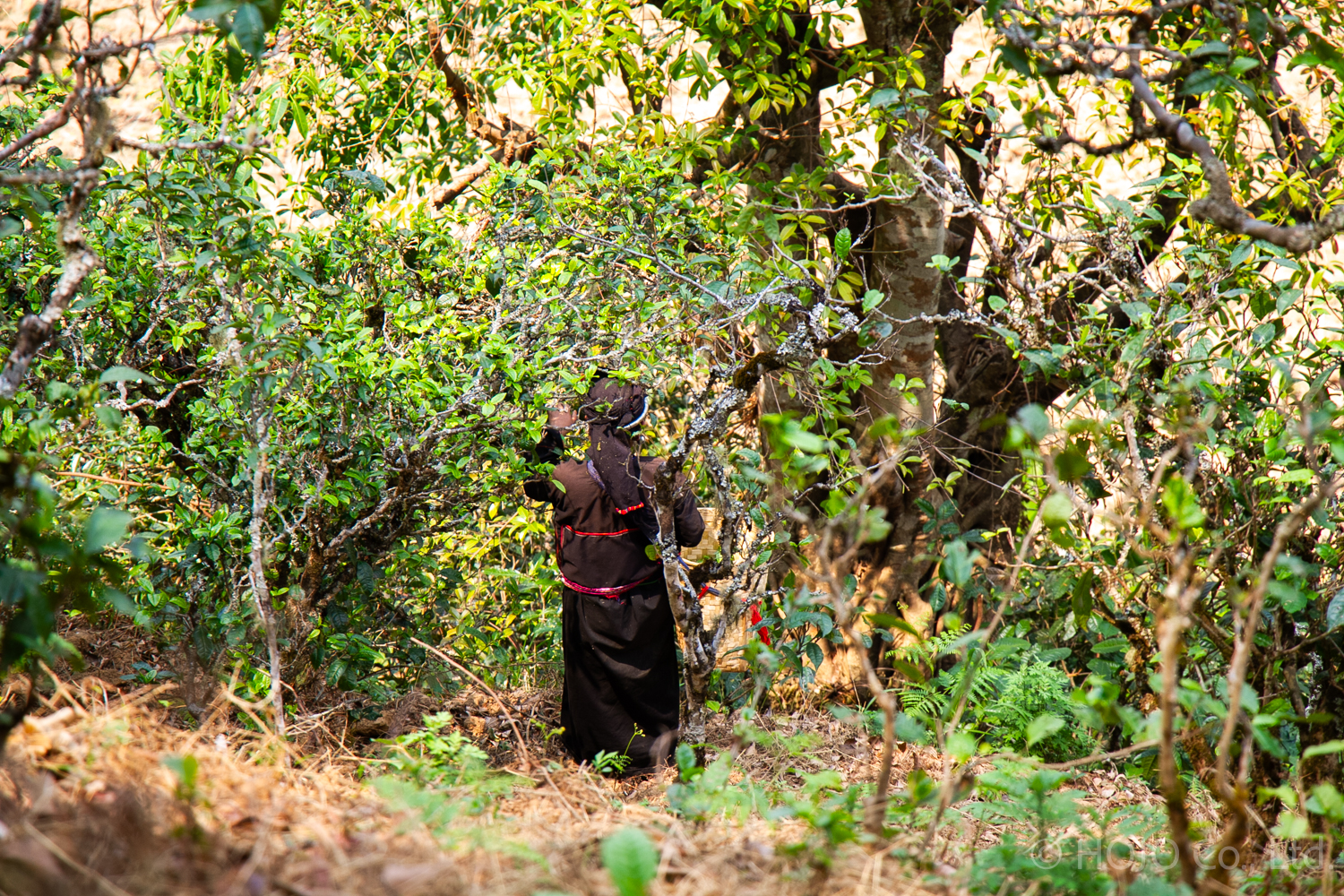
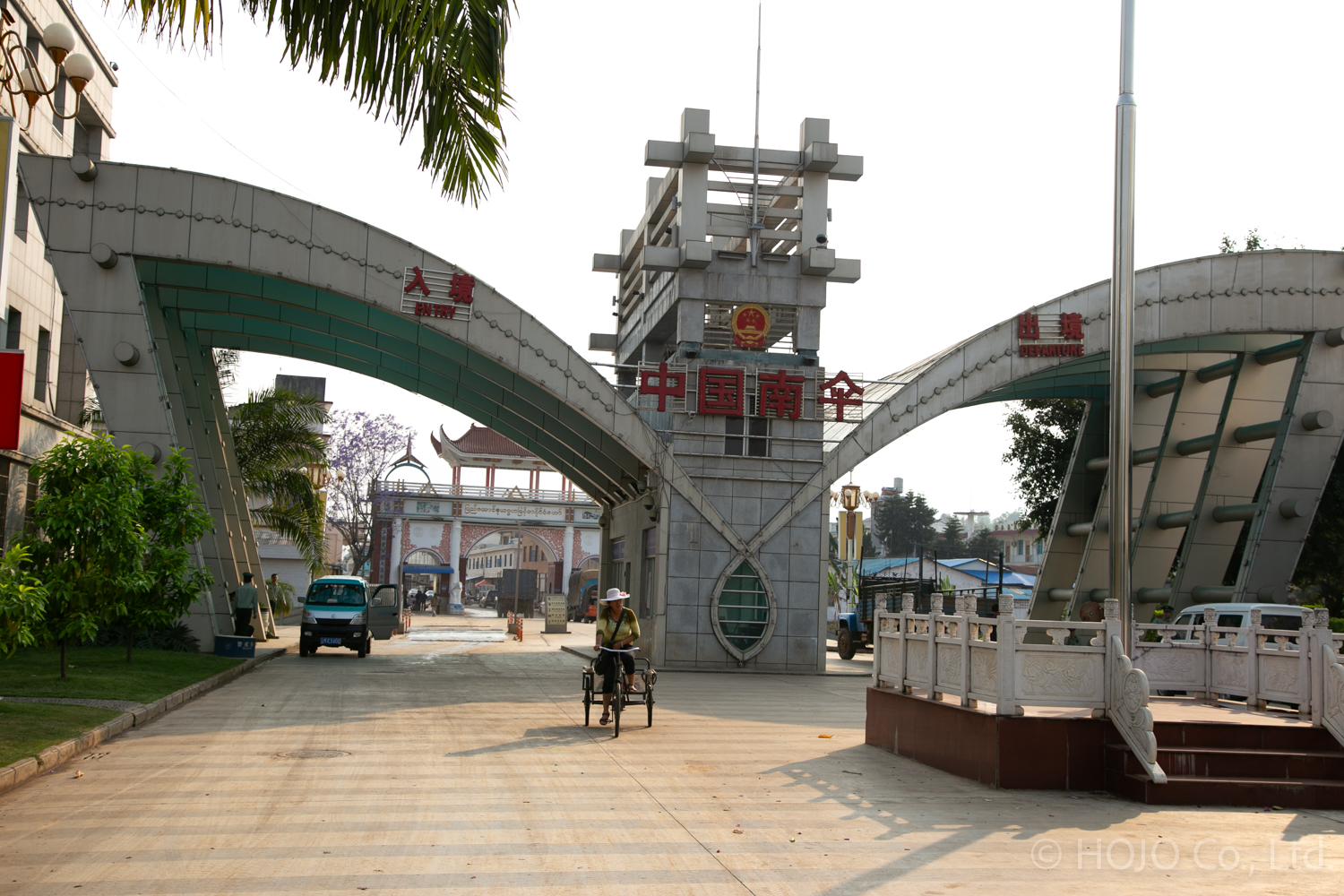
Guo Gan is home to many ancient tea trees, similar to those found in Yunnan. Most of the harvest is initially processed into raw pu-erh. However, local demand for tea within Myanmar is limited, so much of this tea is transported overland into Yunnan via the border town of Nansan. From our experience, Guo Gan tea is rarely sold as raw pu-erh. Instead, it is more commonly used as a material for producing ripe pu-erh through microbiological fermentation.
Supply Disruption
Around 2015, intense armed conflict broke out between the Myanmar government and the Guo Gan autonomous region. The situation remained unstable for quite some time. During the COVID pandemic, the border at Nansan was closed, and distribution came to a complete stop. As a result, we were unable to source Guo Gan tea in recent years. In January 2024, a ceasefire agreement was reached, and the border was reopened. With this reopening, we saw an opportunity to source quality Guo Gan tea again in Yunnan, so this time we focused our search on areas near the Myanmar border and on producers with strong connections to Myanmar.
We introduce two types of Guo Gan tea for pre-order.
2019 Guo Gan Ancient Tree Ripe Pu-erh
This tea was processed into ripe pu-erh in Guo Gan in 2019, and remained stored there for several years during the border closure in the pandemic.
As a result, it has undergone more than five years of natural aging, which is a rare opportunity for this kind of tea.
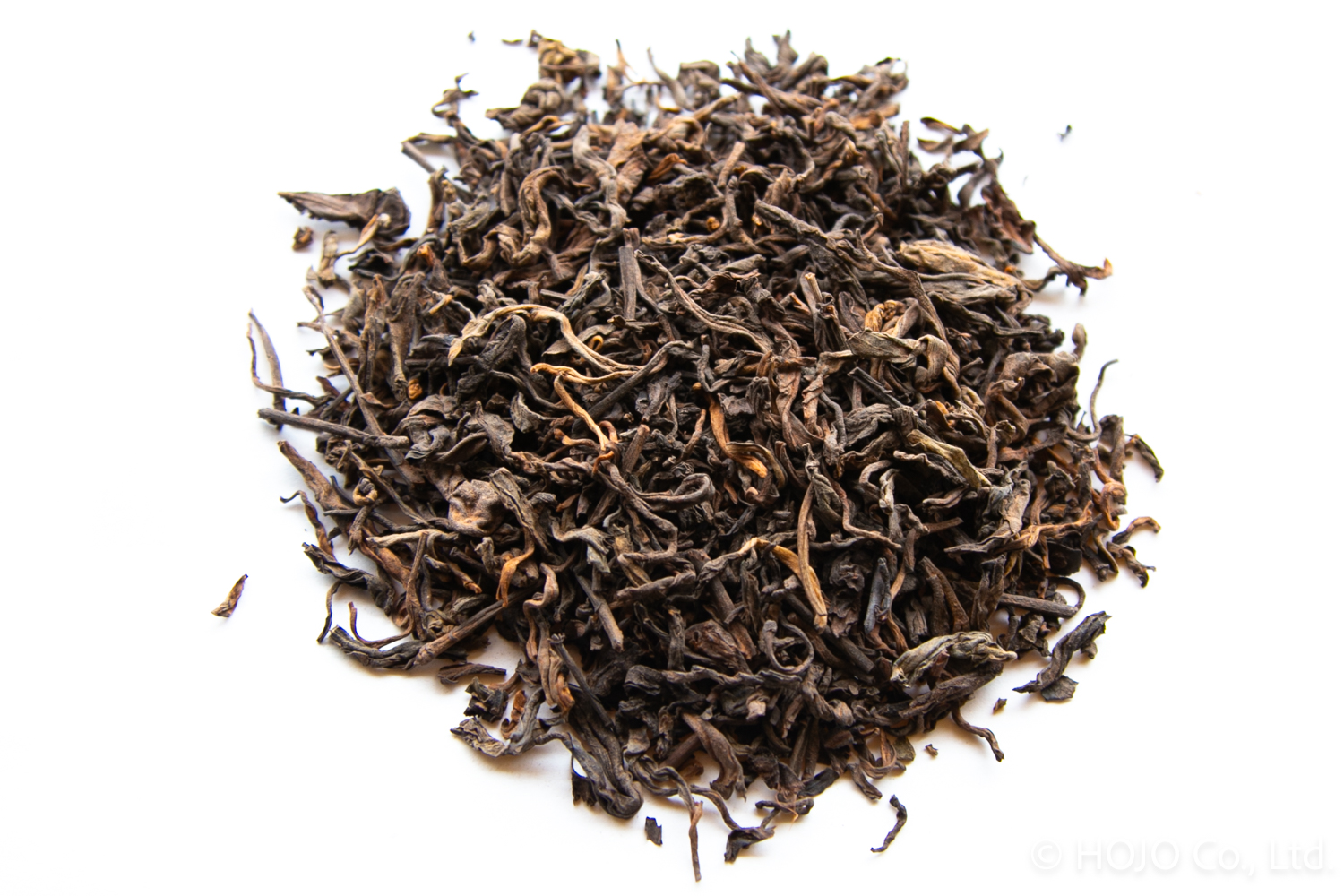
Made from ancient tea trees, it carries a long, lingering aftertaste, a dried fruit character, and the bold, full body typical of Guo Gan tea.
In the cup, you may notice notes of glutinous rice, dried jujube, pandan leaf, and a light hint of liquorice.
The infused leaves give off a gentle dried fruit aroma, with a subtle touch reminiscent of dried mint.
2019 Guo Gan Ancient Tree Ripe Pu-erh Loose Leaf Pre-order
For international customers, please refer to the following page for pricing:
https://hojotea.com/img/tealineup10.pdf
Please send your inquiry to us via email at info2@hojotea.com.
For customers in Malaysia, Singapore, and Brunei, please click here to visit the product page.
2019 Myanmar Guo Gan Ripe Pu-erh / 缅甸果敢古树熟茶 (Pre-Order Until 14th May 2026)
Pre-order deadline: 14th May 2026. Delivery is expected around late June to July.
2023 Guo Gan Ancient Tree Ripe Pu-erh
This tea is made from material harvested in Guo Gan in 2023, transported to Yunnan in 2024, and fermented there.
It comes from a different producer from the 2019 tea, and presents a distinct flavour profile.
While it still carries the bold, full body typical of Guo Gan tea, the aroma leans towards aromatic woods, such as agarwood, with top notes of pine and black jujube.
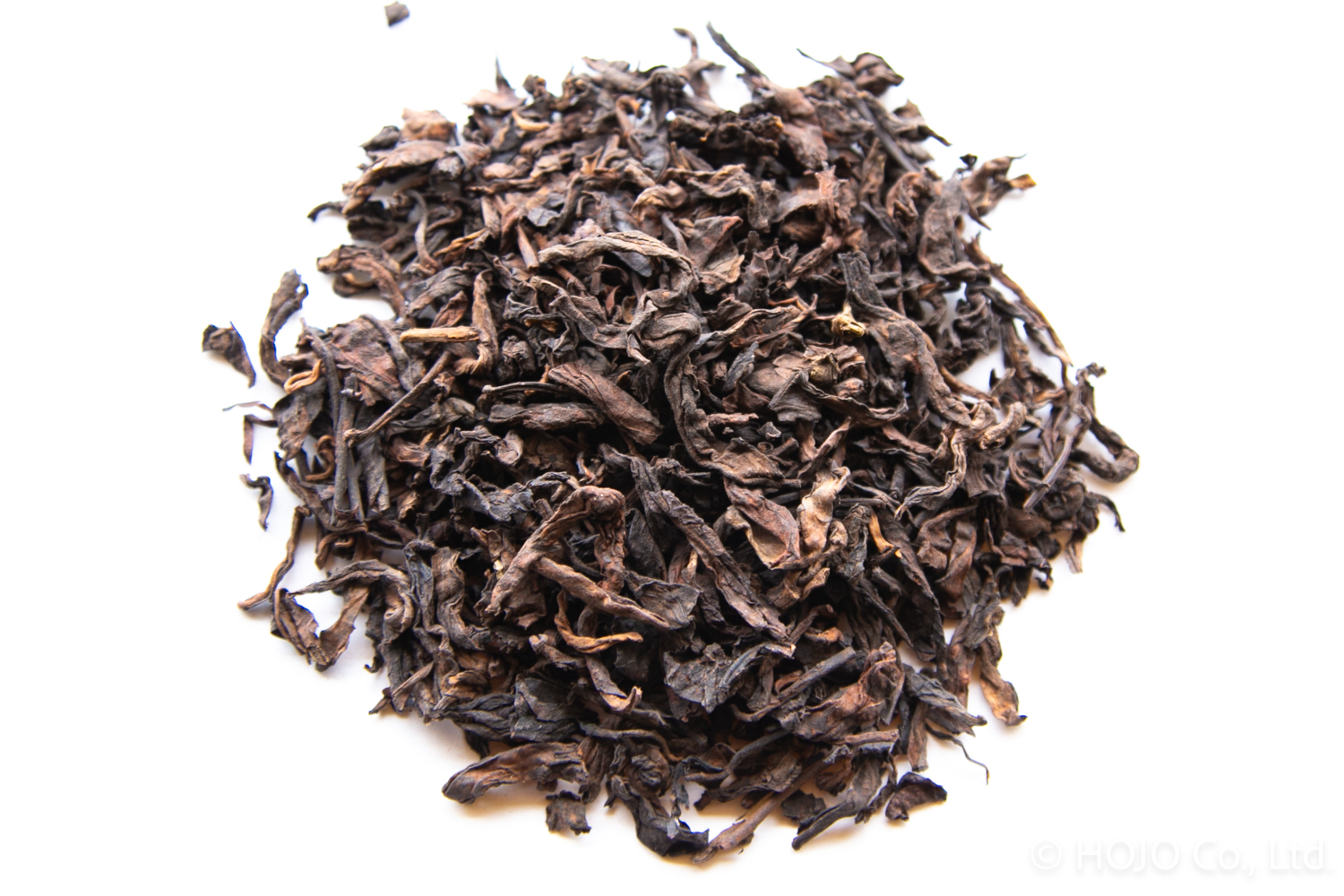
2023 Guo Gan Ancient Tree Ripe Pu-erh Loose Leaf Pre-order
For international customers, please refer to the following page for pricing:
https://hojotea.com/img/tealineup10.pdf
Please send your inquiry to us via email at info2@hojotea.com.
For customers in Malaysia, Singapore, and Brunei, please click here to visit the product page.
2023 Myanmar Guo Gan Ripe Pu-erh / 缅甸果敢古树熟茶 (Pre-order until 14th May 2026)
Pre-order deadline: 14th May 2026. Delivery is expected around late June to July.
2024 Mei Zi Qing Ancient Tree Ripe Pu-erh
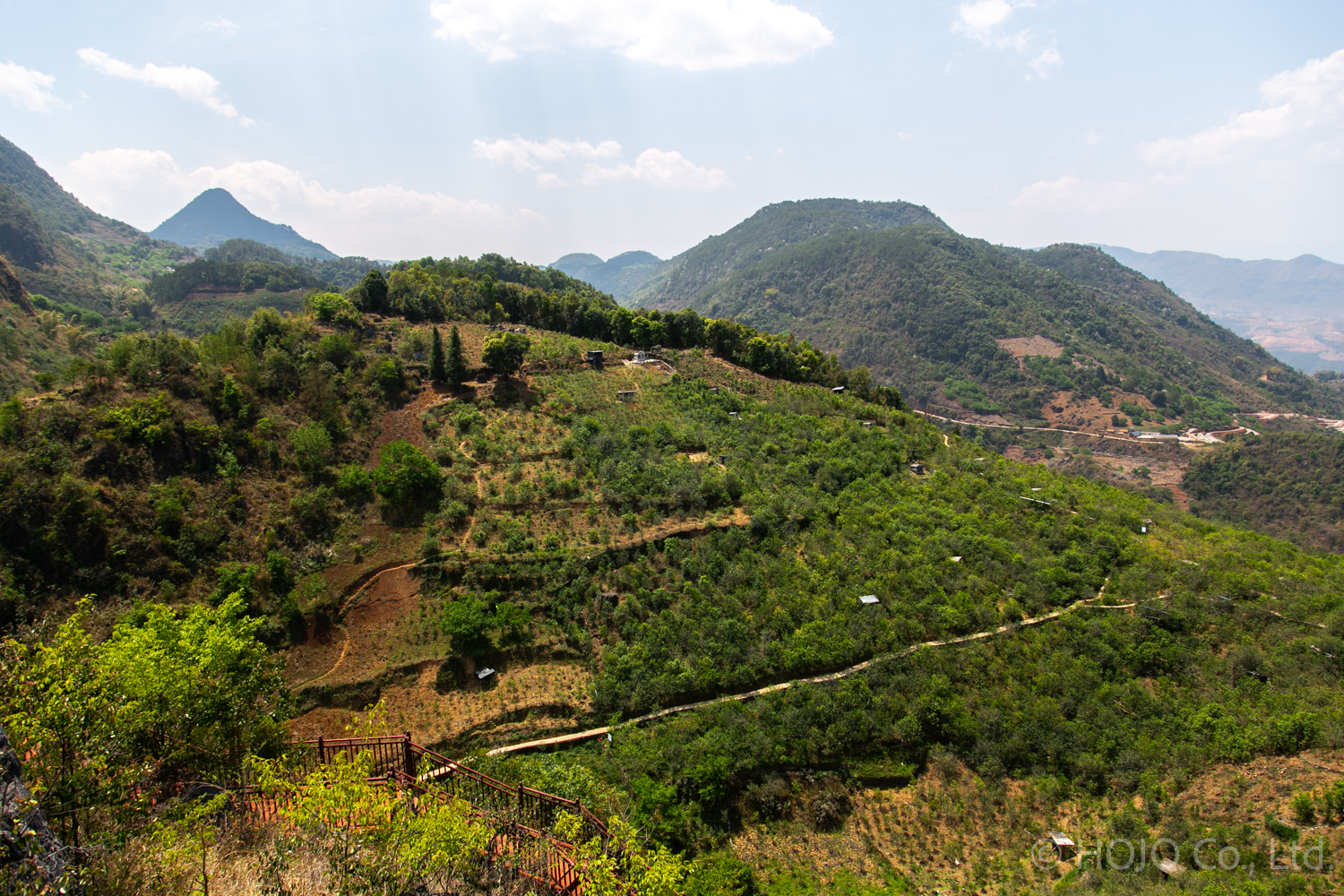
Mei Zi Qing is one of the well-known tea-producing areas in Yongde County, alongside Ma An Shan, Mang Fei, and Da Xue Shan. It sits at an elevation of around 1,700 metres, and the soil has a yellowish tone and is rich in iron, with properties similar to the raw clay used for Zhuni in Yixing. This type of soil is believed to have a strong influence on the character of the tea, and as a result, Mei Zi Qing tea is known locally for its smooth mouthfeel and very low bitterness, even when brewed strong.
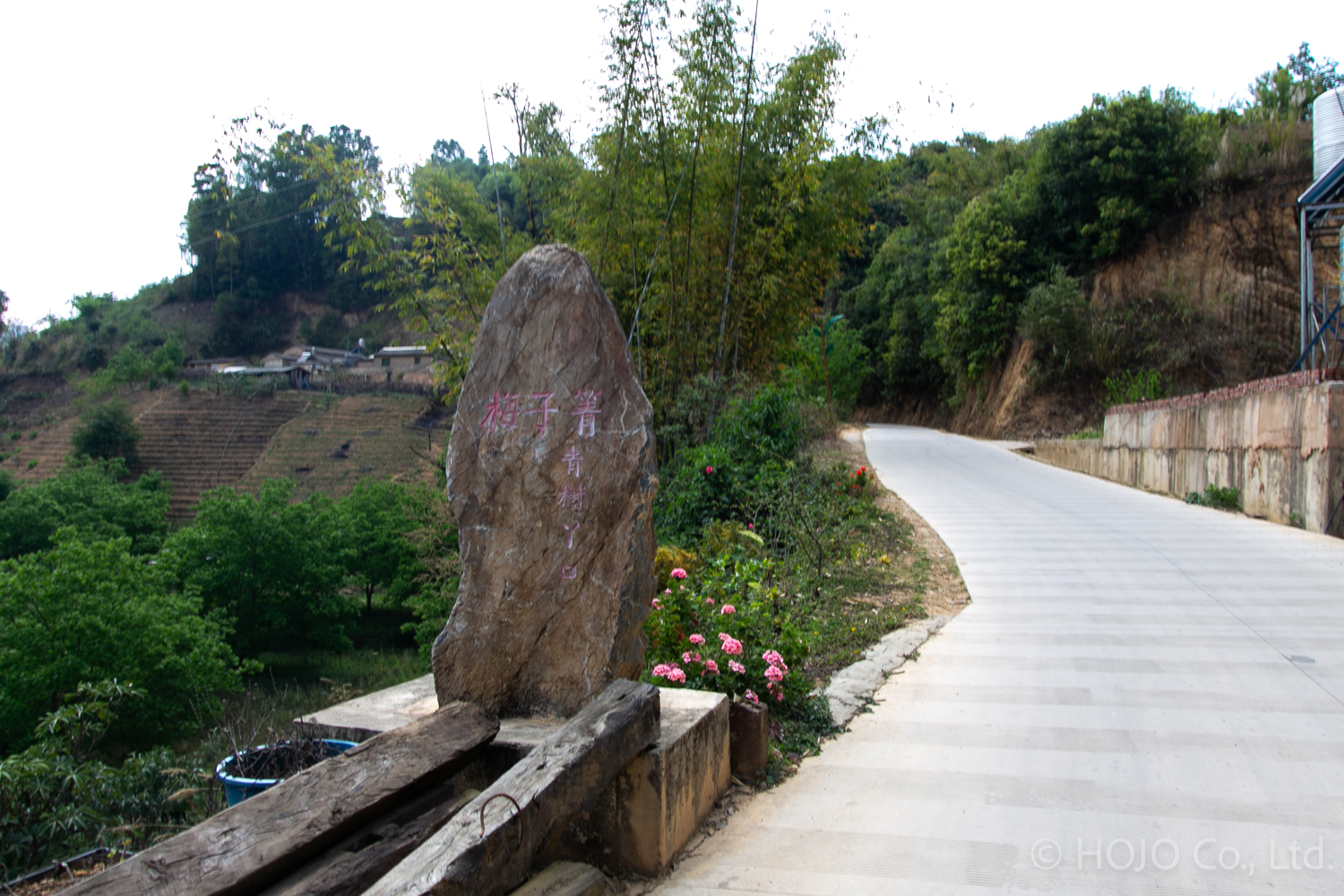
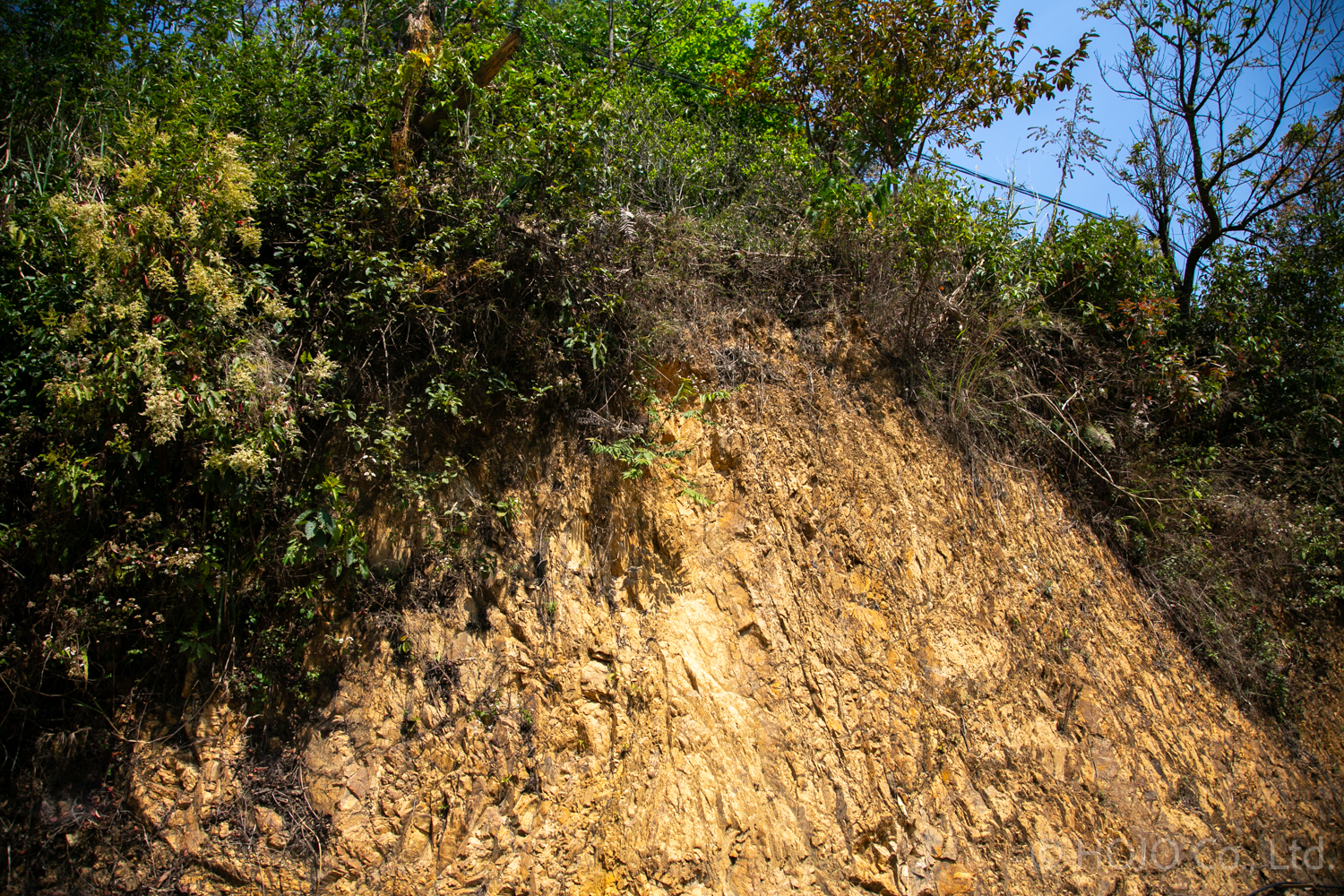
Because of its reputation, tea from Mei Zi Qing has traditionally been expensive, and most of it is produced as raw pu-erh. In the past, it was rarely processed into ripe pu-erh. However, with the recent economic slowdown in China, many producers and wholesalers have been left with unsold stock from previous years, especially higher-grade teas. This created an opportunity for our ripe tea producer to source Mei Zi Qing material at a more reasonable price. Within Mei Zi Qing, well-known areas such as Guo Di Tang are extremely expensive. In those gardens, fertilization with animal manure is commonly practiced, which tends to result in a lighter aftertaste. The tea we selected comes from a less well-known area within Mei Zi Qing, where no fertilization is used and production volume is relatively low.
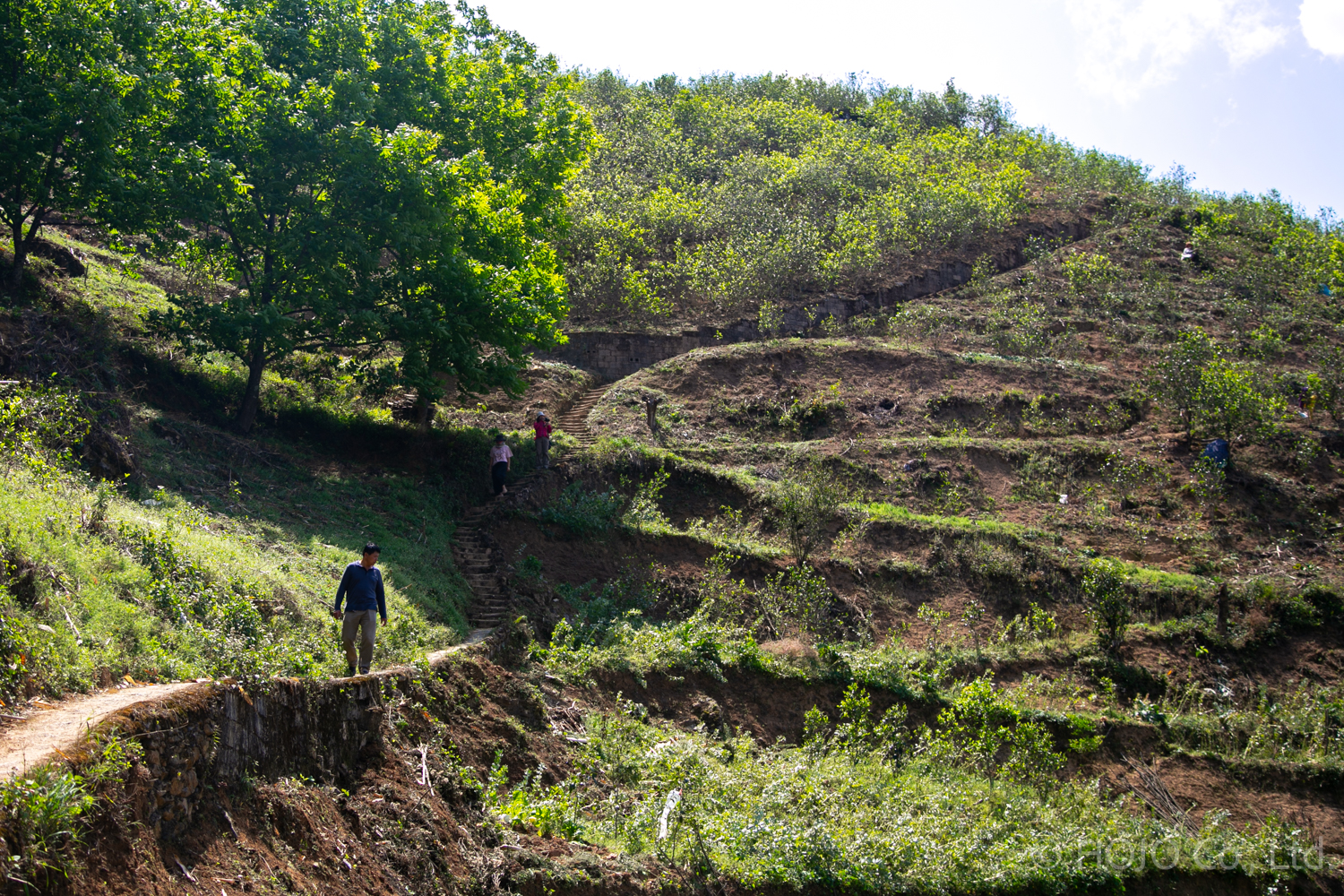
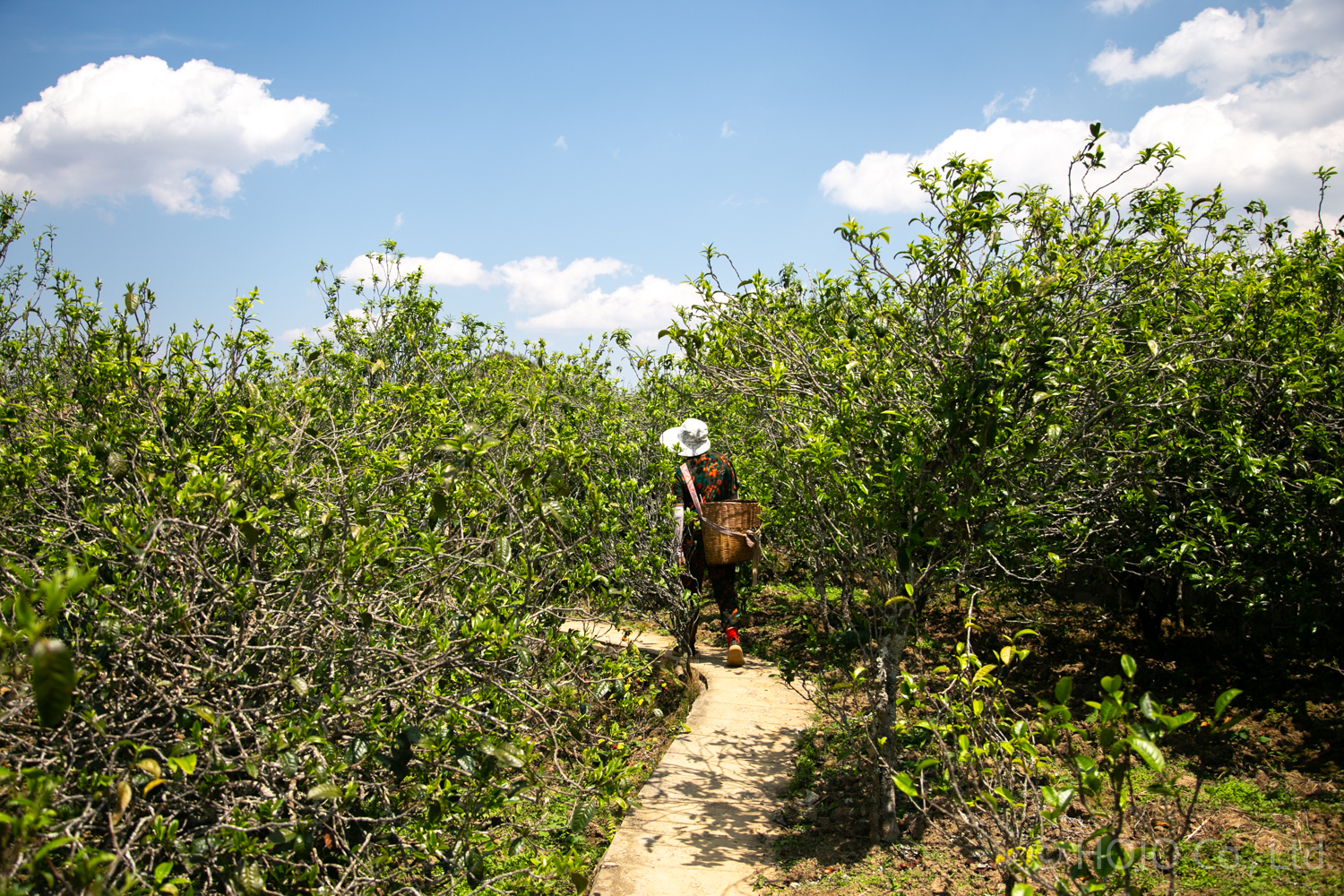
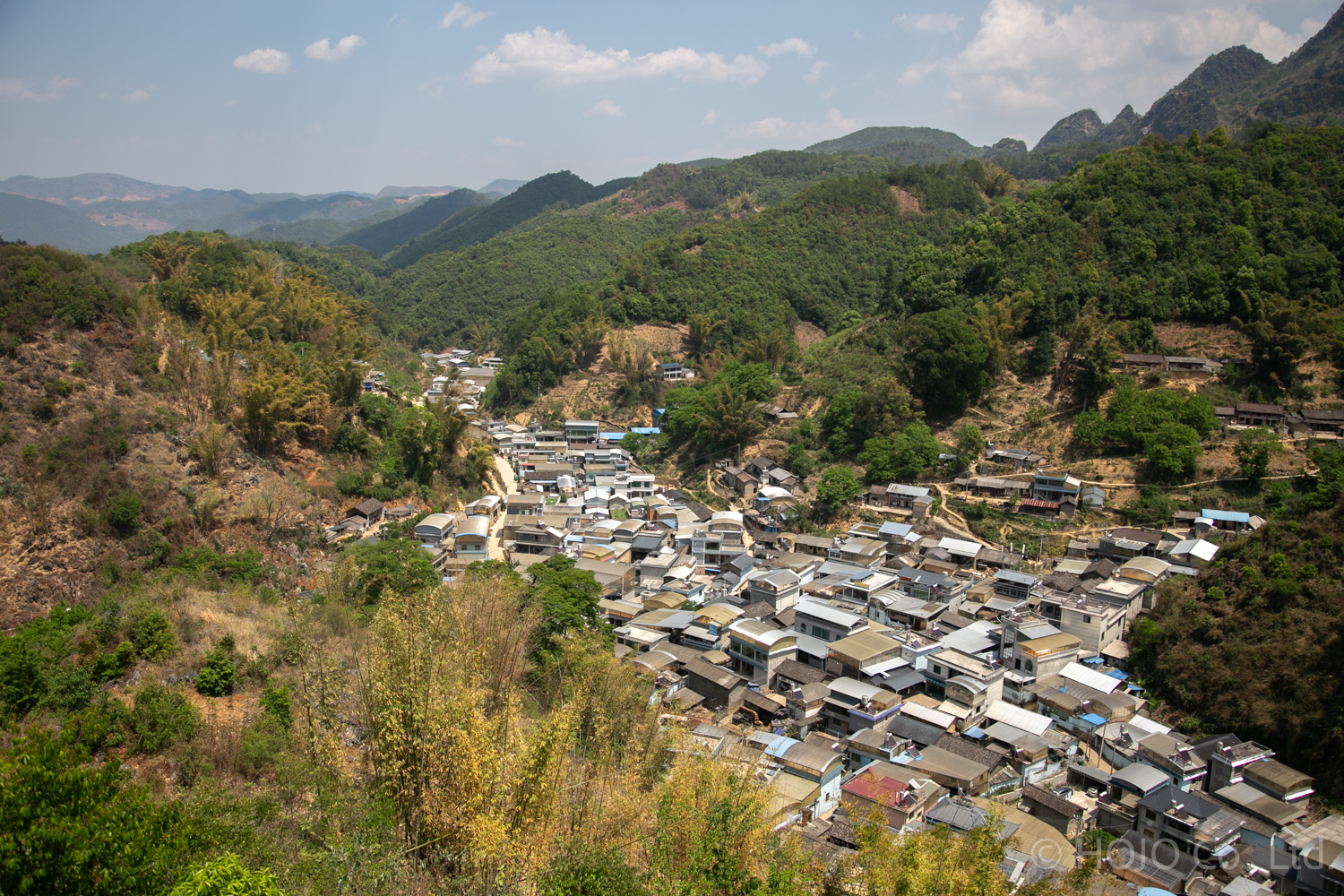
A village of grand houses owned by Mei Zi Qing tea producers
2024 Mei Zi Qing Ancient Tree Ripe Pu-erh
When we first tasted this tea, it took us by surprise. The flavor is exceptional for a ripe pu-erh, with a long aftertaste, smooth texture, and a clear sense of refinement. It stands among the top tier teas in our ripe pu-erh tea lineup.
The profile is built around dried jujube, supported by raisin, dried guava, dried plum, and melon, with a pronounced presence of mulberry, along with wild berry and a light hint reminiscent of perilla.
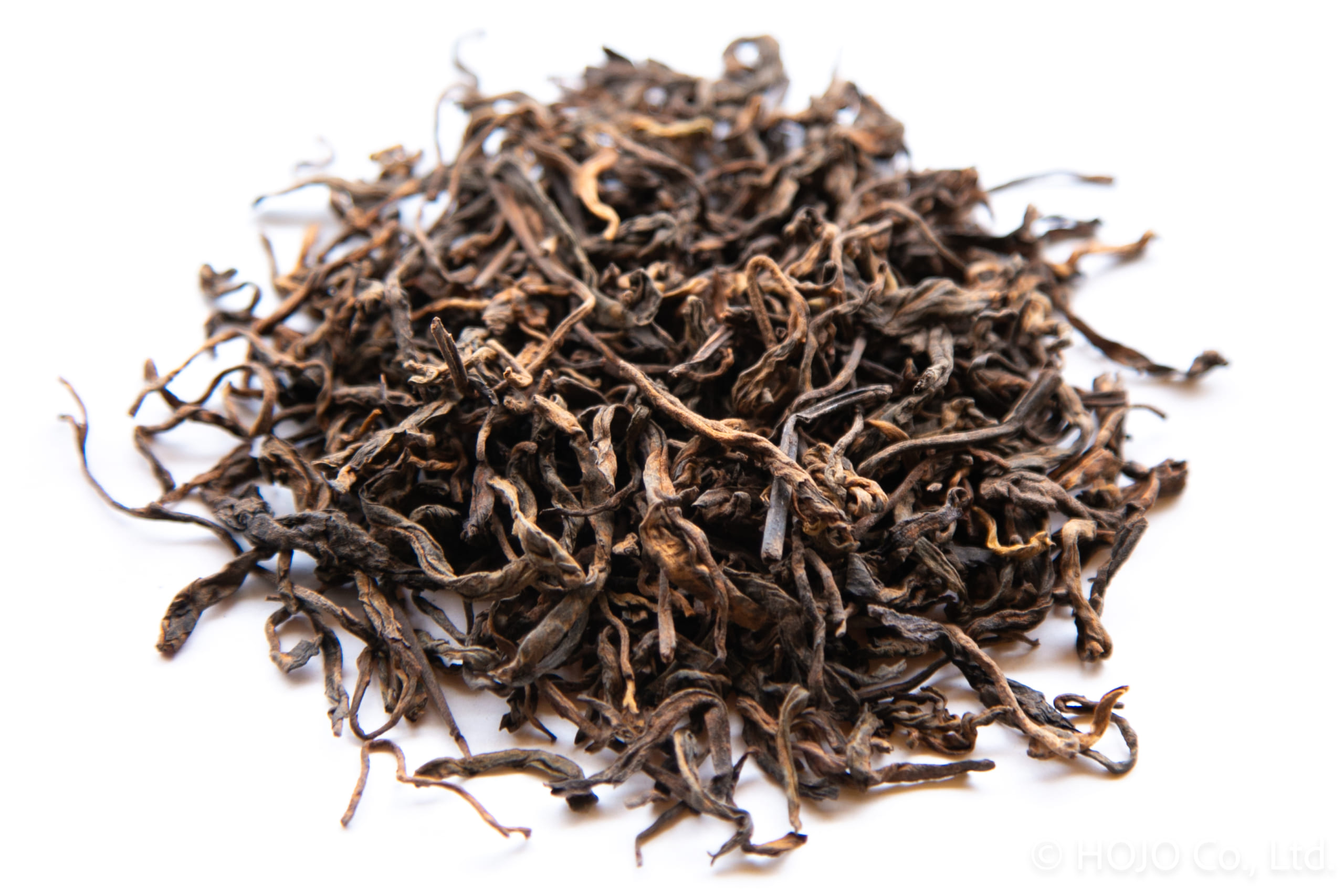
2024 Mei Zi Qing Ancient Tree Ripe Pu-erh Loose Leaf Pre-order
For international customers, please refer to the following page for pricing:
https://hojotea.com/img/tealineup10.pdf
Please send your inquiry to us via email at info2@hojotea.com.
For customers in Malaysia, Singapore, and Brunei, please click here to visit the product page.
2024 Mei Zi Qing Ripe Pu-erh / 梅子箐古树熟茶 (Pre-order until 14th May 2026)
Pre-order deadline: 14th May 2026. Delivery is expected around late June to July.
- Please share with your friends
- Do you find our articles informative and useful? If yes, please kindly share it with your friends. We look forward to your opinion and comment as well.

Related Articles
How to get the latest update on HOJO?
1. Follow Twitter, 2. Click "Like" on Facebook, and 3. Subscribe in newsletter. You can have the latest tea news from HOJO.
 Subscribe the Newsletter to enjoy the privileges
- You may receive a free sample upon purchase, or you may have the priority to purchase special products. So please remember to subscribe our newsletter as well as the social network.
HOJO TEA Online Shop NEWS
- Ancient White Tea 2026 and Ancient Bai Mu Dan 2026 Are Now Available
- We have released two white teas produced by us in Yunnan in 2026: Ancient White Tea 2026 and Ancient Bai Mu Da …
- Yong De Wild White Tea 2026 – Limited Release
- We have released Yong De Wild White Tea 2026. We can produce only a very limited quantity each year, and it us …
NEW ARTICLES
 Ancient White Tea 2026 and Ancient Bai Mu Dan 2026 Are Now Available
- We have released two white teas produced by us in Yunnan in 2026: Ancient White Tea 2026 and Ancient Bai Mu Da …
 Yong De Wild White Tea 2026 – Limited Release
- We have released Yong De Wild White Tea 2026. We can produce only a very limited quantity each year, and it us …
 New Release: High Mountain White Tea 2026
- We have released 2026 High Mountain White Tea, one of our popular white teas. This white tea is made from tea …
 New Release: Tsukigase Black Tea Benihikari
- We have released a black tea from Tsukigase, Nara Prefecture, made from the Benihikari cultivar grown without …
 New Release of Tsuge Woodfire Hojicha
- We have created a hojicha unlike conventional hojicha through our choice of raw materials, heat source, and ro …
 New Release: Da Xue Shan Wild Raw Pu-erh Tea 2026 Loose
- We have released the loose-leaf version of Da Xue Shan Wild Raw Pu-erh Tea. Loose-leaf wild tea is produced in …
 3 Types of Loose Leaf Ripe Pu-erh: One-Week Pre-Order Until 14th May
- We have been working with both raw and ripe pu-erh for more than 15 years. Over the years, our focus has been …
 Li Hua Lin Ancient Tree Raw Pu-erh Tea 2025 Loose Comparable to Single Tree Tea
- We have released Li Hua Lin Raw Pu-erh Tea 2025 Loose. This tea is made from material harvested from ancient t …
 Yunnan Field Report 2026: Climate Conditions and Tea Growth This Year
- We have been in Yunnan since March 28, and from the 29th, we have been producing and sourcing tea mainly in Yo …
 New Release of Huo Di Raw Pu-erh Tea Loose 2025
- We have released Huo Di Raw pu-erh tea 火地古樹生茶 Loose Leaf 2025. This tea is a raw pu-erh tea made from naturall …
Category
- New Arrival at HOJO Online Shop
- Featured Articles
- Newsletter
- Types of Tea
- Origin of Tea
- Teapot and Tea Equipment
- Tea Column
- How to enjoy tea
- Tea Processing
- How to choose quality tea
- Tea constituents and functional effect
- Safety of Tea
- Foods
- Tea Business Operation
- Hobby and Outdoor Activity
- Ranking of Tea
- Video
- FAQ
- Media Release
Profile

- AKIRA HOJO
- I invite you to experience my tea selections.I was born in Nagano, Japan. In university, I studied agricultural chemistry, and I have the master degree in food science. I worked in Japanese food industry for 10 years. I involved in R&D, QC and QA. As a factory manager, I implemented ISO9000 series and managed the factory.


Media Release
- The Art of Tea Magazine
- We posted the article on “The Art of Tea Magazine No.9, the magazine is published in Taiwan. We featured …
- New Straits Times
- The Malaysian National Newspaper, New Straits Times featured HOJO Tea on 17-Oct-2007.
Shop Info

Address:Lot No. T-215, 3rd Floor, The Gardens Mall, Mid Valley City, Lingkaran Syed Putra, 59200 Kuala Lumpur
Tel: +603-2287-4537
Business Hour: 10am to 10pm