


- HOME >
- New Arrival at HOJO Online Shop
New Release: Da Xue Shan Wild White Tea 2026, Loose Leaf
- [2026.10.21] Posted By Akira Hojo
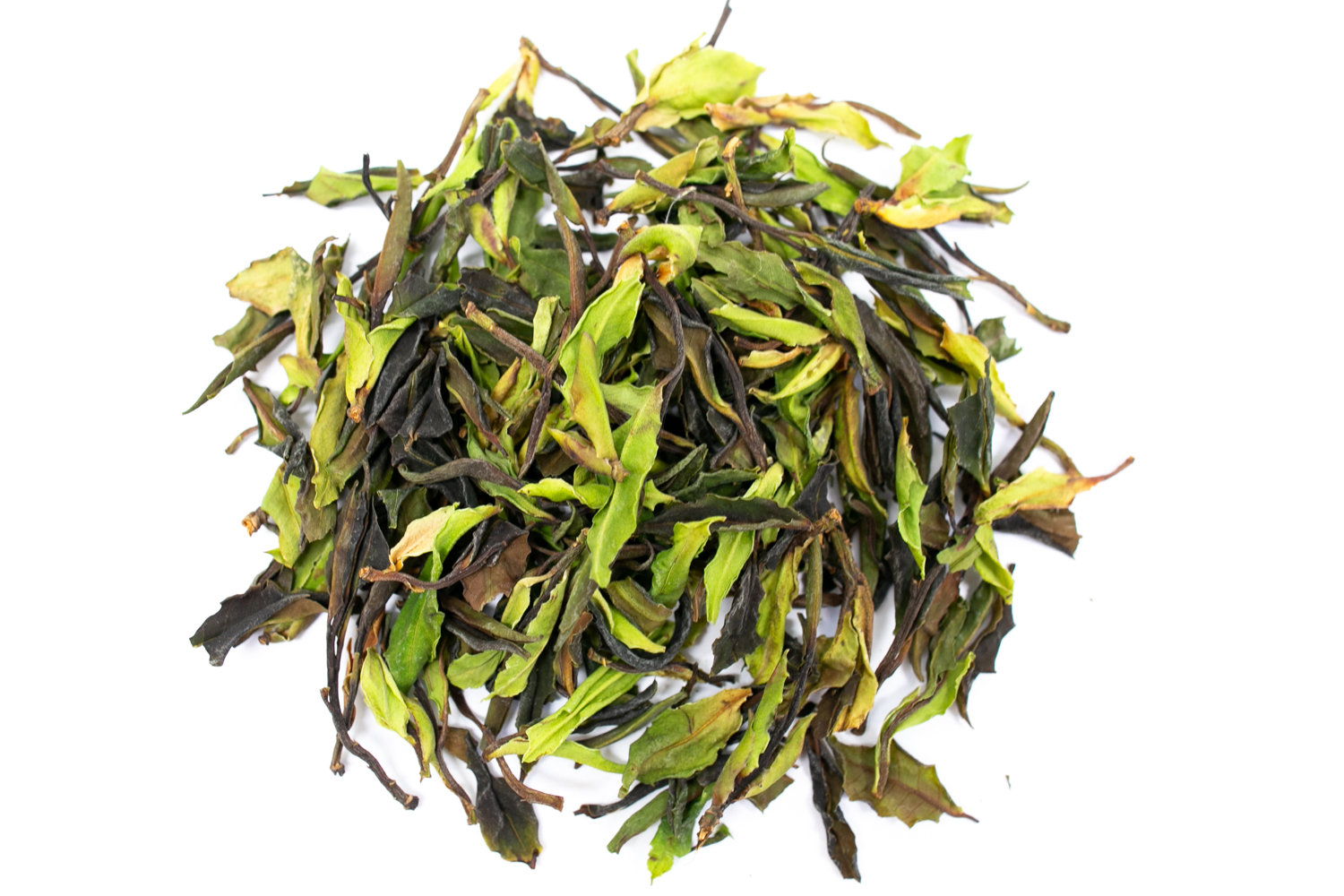
We have released Da Xue Shan Wild White Tea 2026 in loose-leaf form.
Thanks to this year’s climate, the tea has a strong flavor and the long aftertaste that only wild tea harvested in the mountains can offer. We are very pleased with how it has turned out.
The flavor stands out most when the tea is cold-brewed, and carbonating the cold brew gives a drink with a champagne-like color.
This loose-leaf version is not pressed into a cake.
The Flavor of White Tea Changes Every Year
The flavor of tea depends not only on the soil and the elevation but also on the year. Both the taste and the flavor can change greatly from one year to the next. In some years the floral flavor is strong, in others the fruity flavor, and in others a green character stands out. The climate of the year shapes the finished tea as much as the processing technique and the quality of the raw leaves, and sometimes even more.
From our experience, the temperature and rainfall between Chinese New Year (Spring Festival) and March have a major influence on the flavor of that year’s tea.
In 2026, it hardly rained from Chinese New Year until the start of the tea season. Heavy rain fell on only two days in late March, the 28th and 29th, and the wild tea began to grow after that rain. With so little rain, the leaves took their time to grow. This year’s tea has a strong flavor and a long aftertaste, probably because the slow growth gave the leaves a higher cell density.
Cold Brew and Sparkling: The Best Ways to Enjoy Da Xue Shan Wild White Tea
Cold-brewed Da Xue Shan Wild White Tea has a very intense marigold and Shine Muscat-like flavor. It is so refreshing and satisfying that I would almost call it “tea juice.”
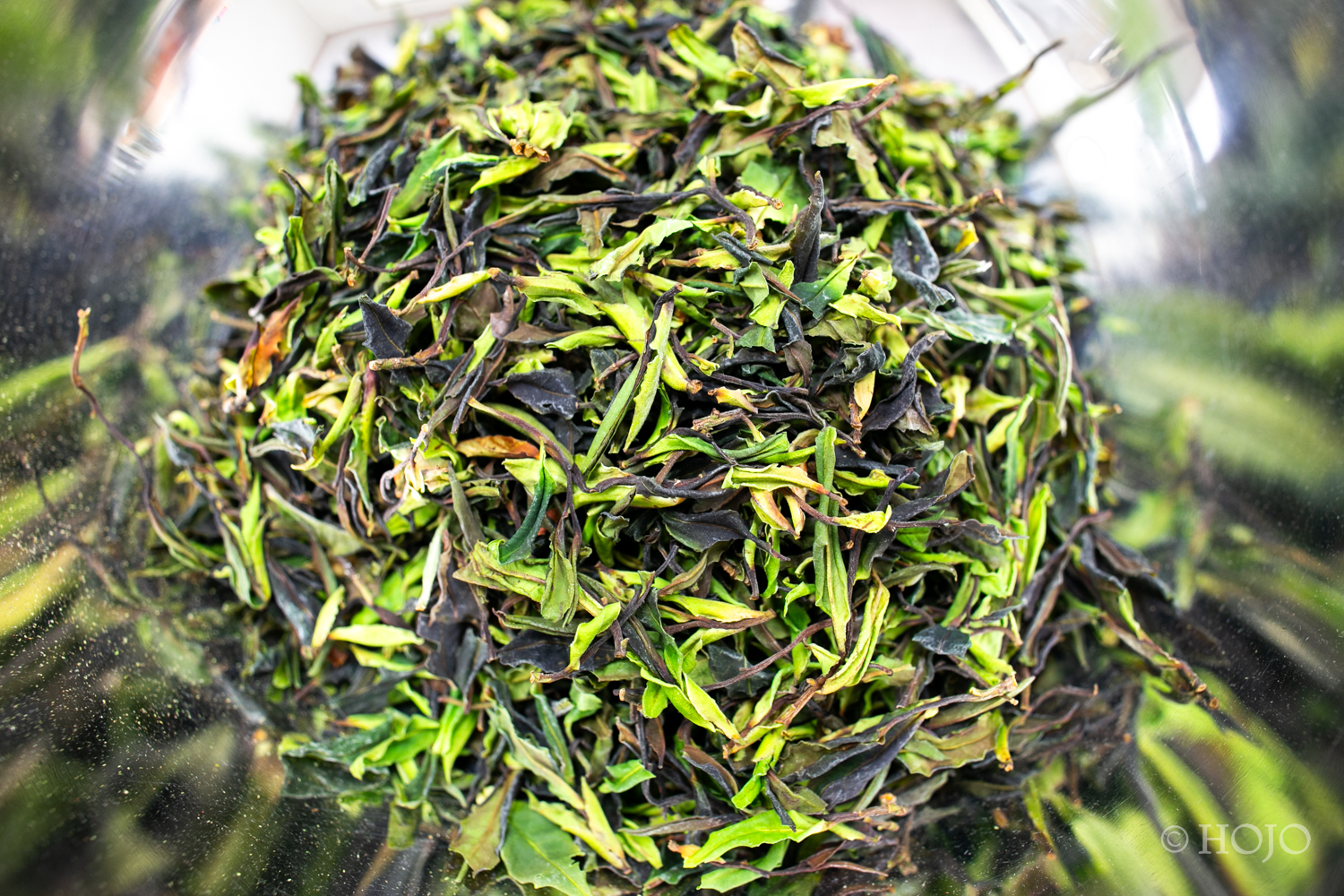
If you carbonate the cold brew with a sparkling water maker, it takes on a color like champagne, and the floral and fruity flavors are the first thing you notice when you drink it. It is a good drink to serve at dinner in place of alcohol, and it is especially appreciated when served at restaurants. Once you try it, it is hard to stop drinking.
For cold brewing, put 5 g of tea leaves in 1,000 ml of water and leave the container in the refrigerator for about 6 hours. If you would like to surprise your guests, make it stronger with 500 ml of water for 5 g of tea leaves.
Why Cold Water and Hot Water Bring Out Different Flavors
Brewed with hot water, the tea shows a different character. Instead of the marigold-like flavor of the cold brew, matured fruity flavors reminiscent of grapes, apple and of fresh tomatoes come forward.
The reason lies in how the tea is made. Some white tea in Fujian Province is partly dried with heat, while this tea is made by farmers in Yunnan Province who wither the leaves for several days and then let them dry naturally. So, there is no heat involved in the process of making this tea.
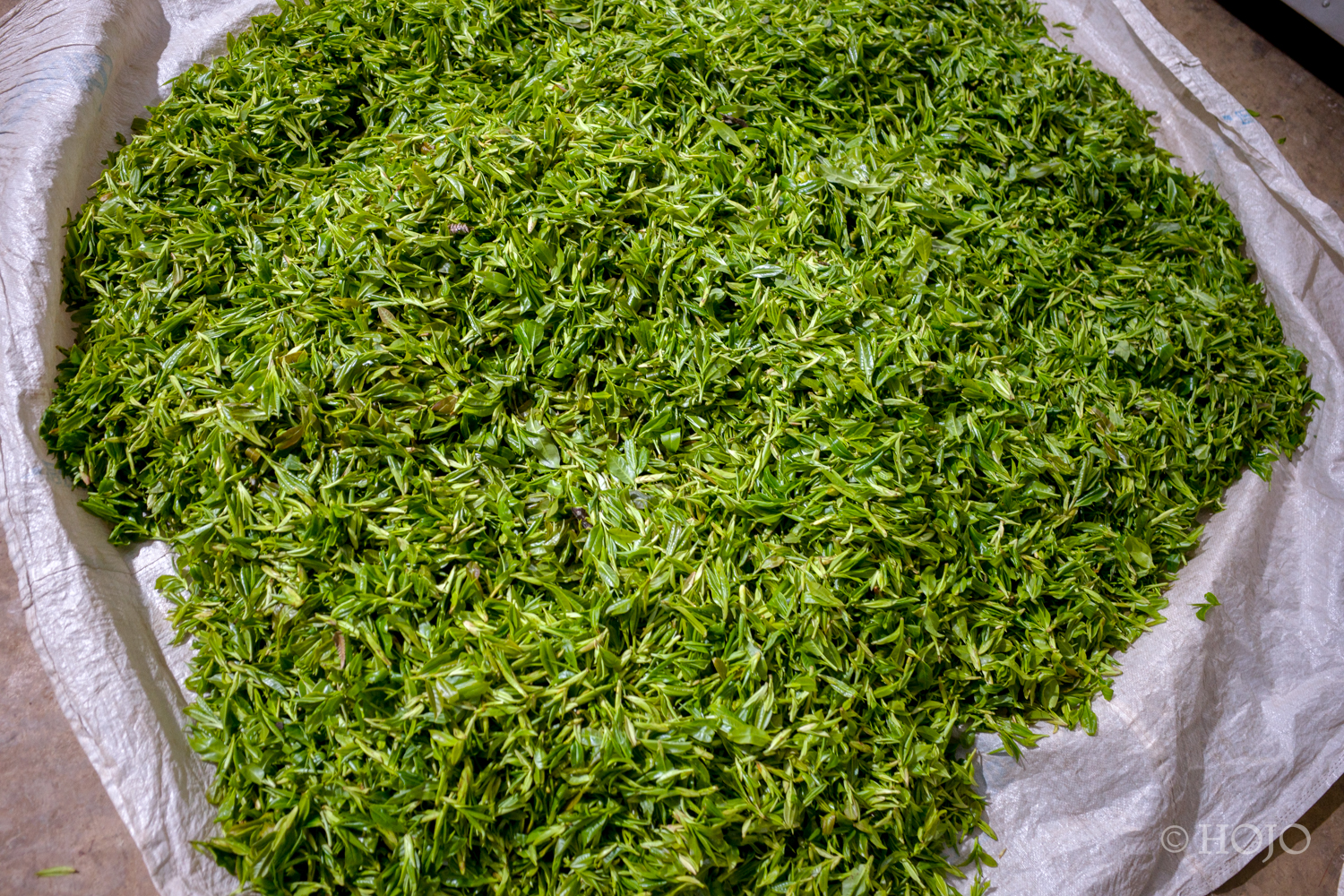
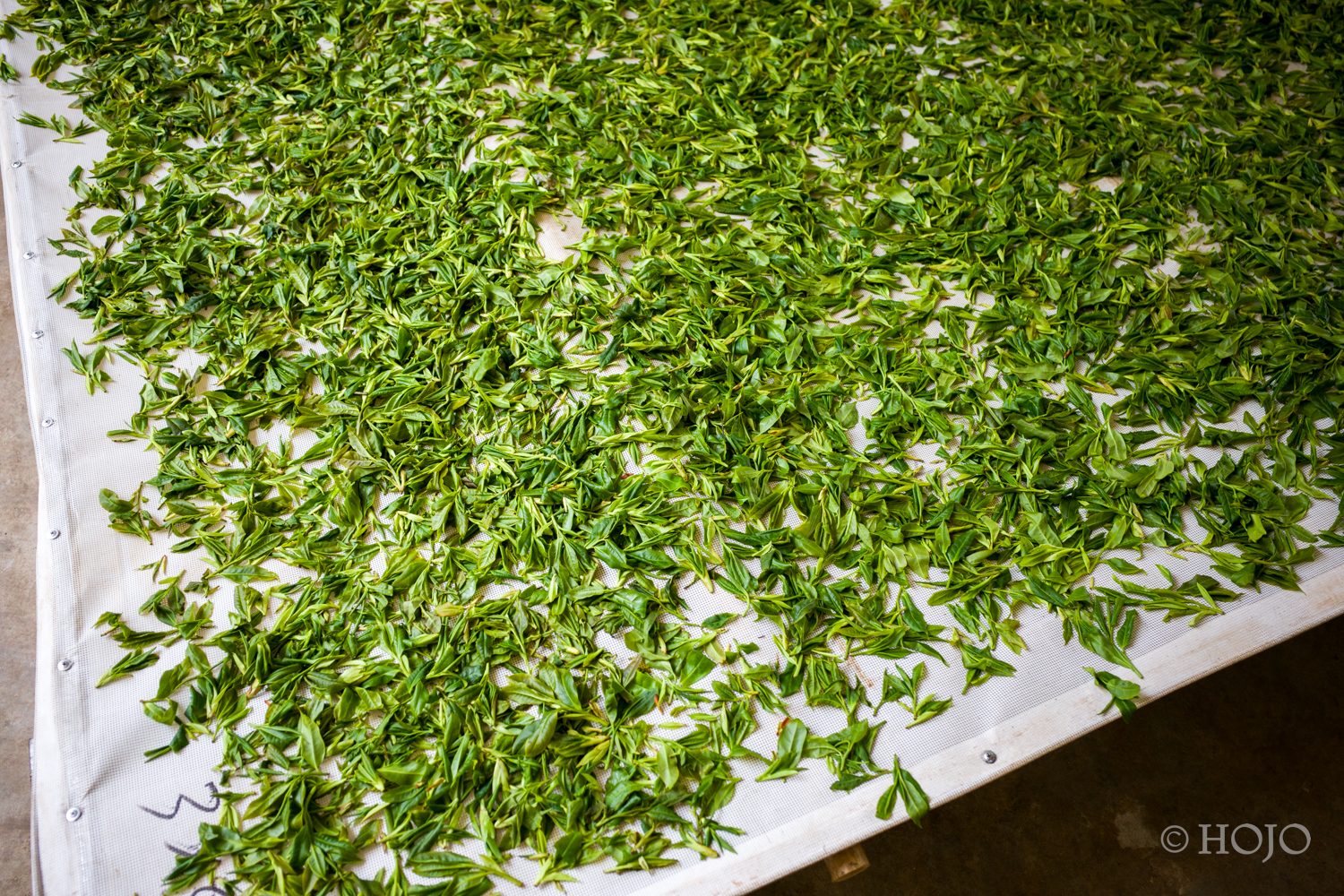
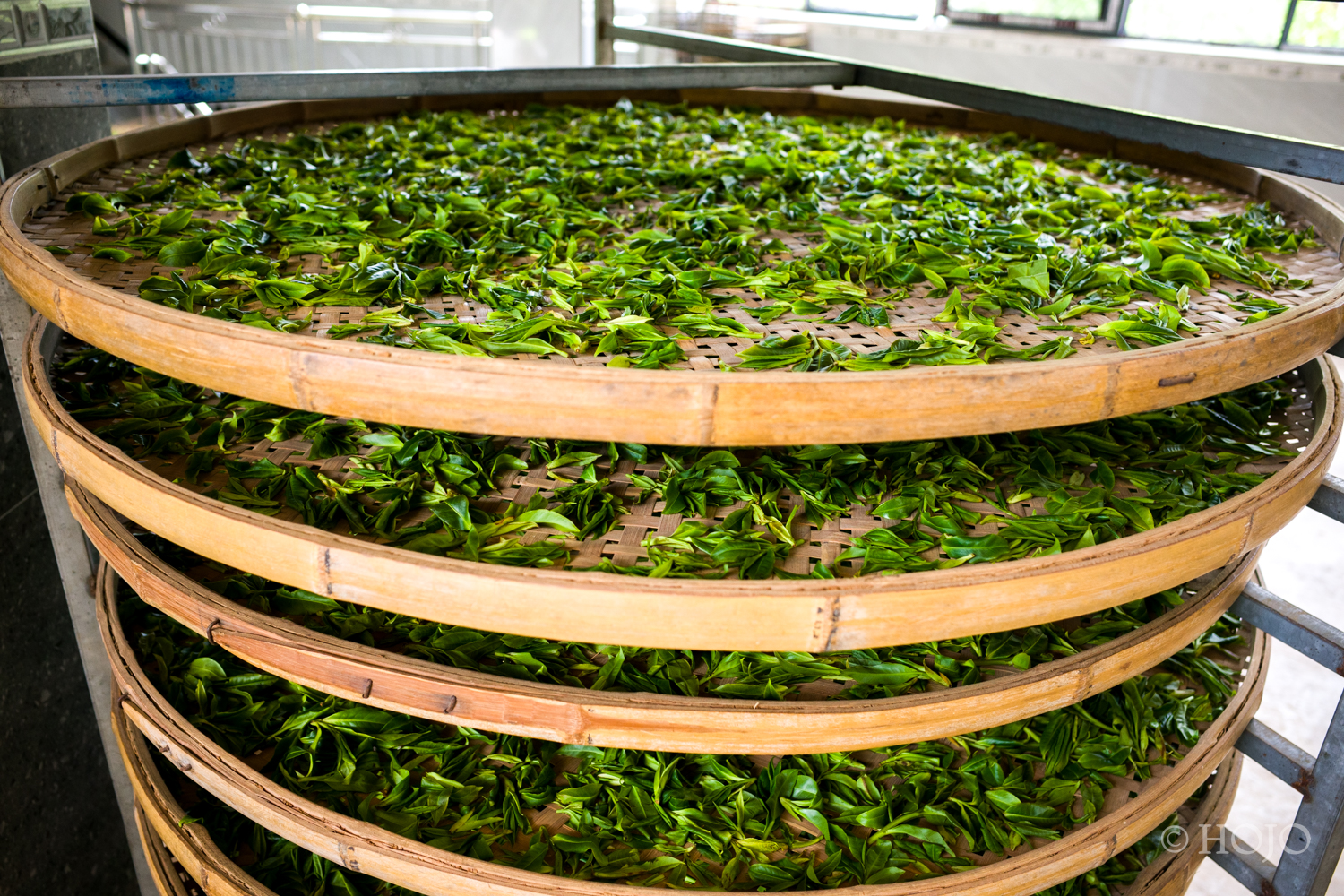
Because the leaves are never heated, their components stay very close to those of fresh tea leaves, and many of them are water-soluble. This makes the tea very well suited to cold brewing.
The enzymes in the leaves are also still active in white tea. When you brew the tea with hot water, they become active as the temperature rises, and fermentation by oxidase takes place. You might expect boiling water to deactivate the enzymes immediately, but the center of the stems takes time to heat up, and some of the enzymes become intensely active while the temperature passes through 40 to 50°C. This is why the flavor changes with the brewing temperature.
With cold water, the temperature is too low for the enzymes to become active, so the components of the white tea dissolve into the water as they are.
Our Commitment to Truly Wild Tea
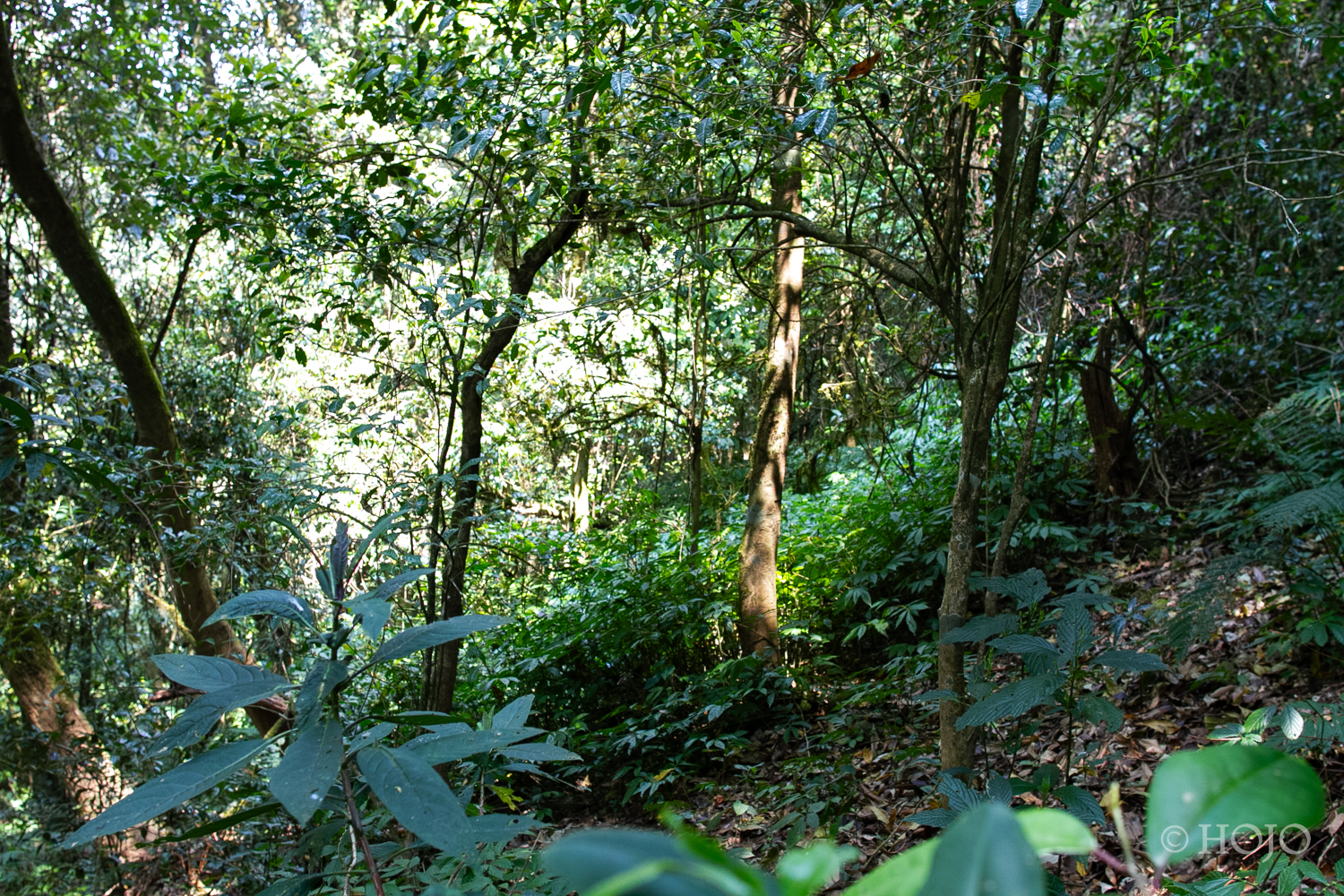
In Yunnan Province, “wild tea” is the local name for Camellia taliensis, a species different from the common tea plant Camellia sinensis grown in Japan, India and Taiwan. The name Wild Tea is commonly used by the locals whether the tree grows naturally in the mountains or is cultivated. It is similar to wild rice and wild strawberries, which keep the name “wild” even when they are grown in fields or gardens. The name alone does not tell you whether the tea comes from trees growing naturally in the mountains.
Da Xue Shan Wild White Tea is made from Camellia taliensis growing naturally in the mountains, not from cultivated trees. Tea from cultivated trees can have a similar flavor, but tea from wild trees is completely different in the length of the aftertaste and the clarity of the flavor, and the two are easy to tell apart if you taste side by side.
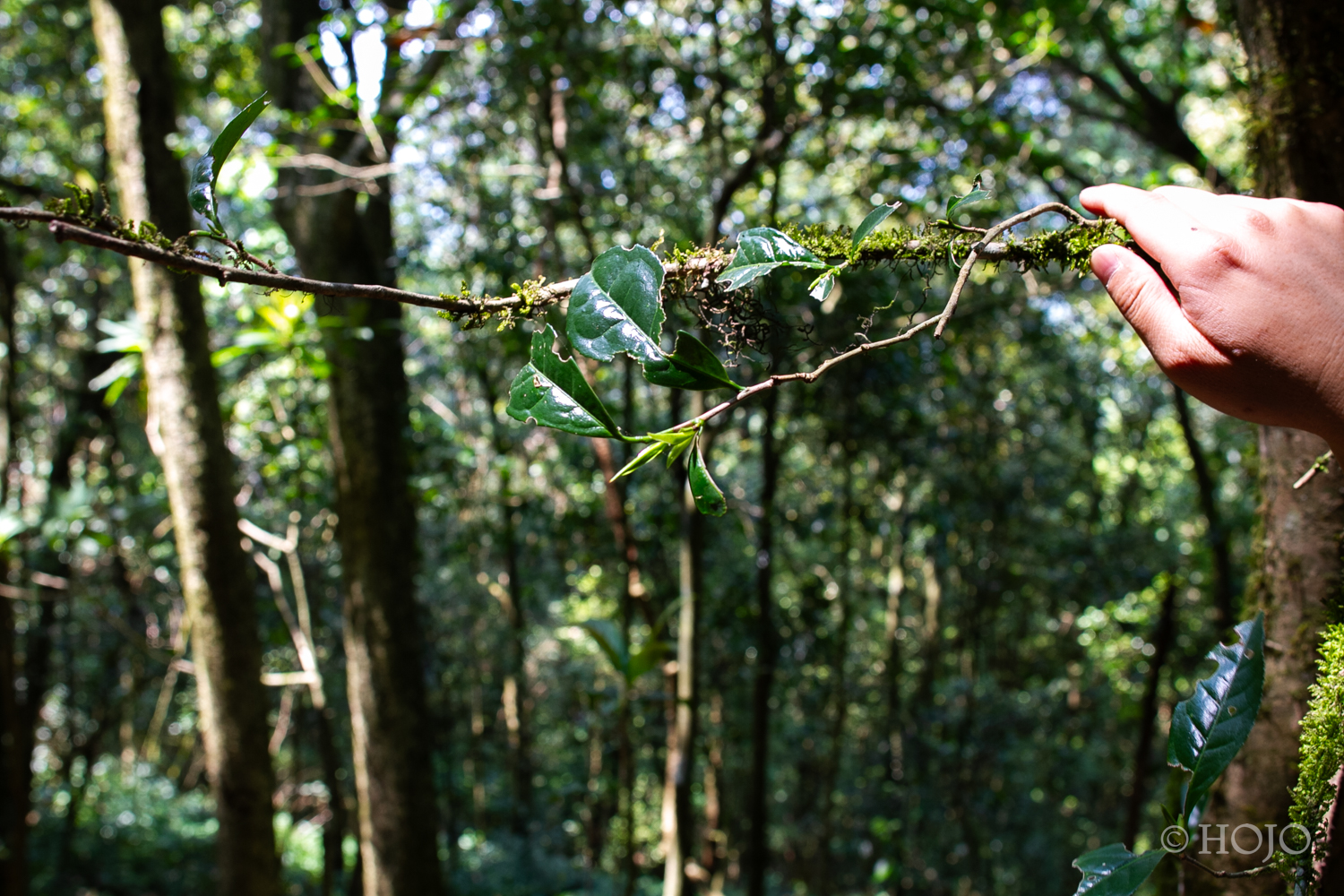
In recent years, as wild tea has become popular, to meet the market demands, many farmers have started planting Camellia taliensis in their tea garden. A large amount of tea sold as “wild tea” is now on the market, and it is becoming easy to obtain without traveling to the remote village. However, Camellia taliensis that truly grows wild in the mountains is extremely rare and very difficult to obtain, and its tea is traded at high prices even in Yunnan.
I have visited wild tea producing areas and tasted wild tea many times. Its remarkably deep and long aftertaste, which seems to soak into the body, is found only in truly wild tea, and this is why I am particular about sourcing it.
Flavor Development Through Aging
Because the flavor is already strong in the new tea, you can enjoy it right away. Aging is simply another option. With aging, Da Xue Shan Wild White Tea tends to develop grape-like and honey-like flavors, and you can even notice the change after just one year.
Pu-erh is the tea most people think of for aging, but white tea actually changes even more with age, and aging white tea has become something of a trend in recent years.
Most tea companies and tea lovers, however, age white tea with air. Oxygen causes uncontrolled oxidation, so an oxidized off-flavor develops along with the aging. Eventually the tea takes on a flavor close to Ripe Pu-erh, with notes of dry leaves and dried fruit such as raisins, and its color also becomes very similar to that of Ripe Pu-erh.
Based on many years of experience and various experiments, we consider aging without oxygen ideal for white tea, because the tea still ages without oxygen but develops toward the flavor of fully ripe fruits such as grapes and mangoes, and toward a honey-like flavor. We remove the oxygen from each bag when we pack.
To age the tea at home, keep the bag unopened in a warm room, away from direct sunlight. The aluminum laminated bag blocks most light, but not all of it, so the tea deteriorates easily if left in direct sunlight.
How to Buy This Tea?
For international customers, please check the price in our price list:
https://hojotea.com/img/tealineup10.pdf
Then please send your order or inquiry to us via email at info2@hojotea.com.
For customers in Malaysia, Singapore, and Brunei, please click here to visit the product page.
- Please share with your friends
- Do you find our articles informative and useful? If yes, please kindly share it with your friends. We look forward to your opinion and comment as well.

Related Articles
How to get the latest update on HOJO?
1. Follow Twitter, 2. Click "Like" on Facebook, and 3. Subscribe in newsletter. You can have the latest tea news from HOJO.
 Subscribe the Newsletter to enjoy the privileges
- You may receive a free sample upon purchase, or you may have the priority to purchase special products. So please remember to subscribe our newsletter as well as the social network.
HOJO TEA Online Shop NEWS
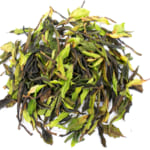
- New Release: Da Xue Shan Wild White Tea 2026, Loose Leaf
- We have released Da Xue Shan Wild White Tea 2026 in loose-leaf form.
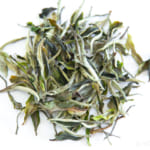
- Ancient White Tea 2026 and Ancient Bai Mu Dan 2026 Are Now Available
- We have released two white teas produced by us in Yunnan in 2026: Ancient White Tea 2026 and Ancient Bai Mu Da …
NEW ARTICLES
 New Release: Da Xue Shan Wild White Tea 2026, Loose Leaf
- We have released Da Xue Shan Wild White Tea 2026 in loose-leaf form.
 Ancient White Tea 2026 and Ancient Bai Mu Dan 2026 Are Now Available
- We have released two white teas produced by us in Yunnan in 2026: Ancient White Tea 2026 and Ancient Bai Mu Da …
 Yong De Wild White Tea 2026 – Limited Release
- We have released Yong De Wild White Tea 2026. We can produce only a very limited quantity each year, and it us …
 New Release: High Mountain White Tea 2026
- We have released 2026 High Mountain White Tea, one of our popular white teas. This white tea is made from tea …
 New Release: Tsukigase Black Tea Benihikari
- We have released a black tea from Tsukigase, Nara Prefecture, made from the Benihikari cultivar grown without …
 New Release of Tsuge Woodfire Hojicha
- We have created a hojicha unlike conventional hojicha through our choice of raw materials, heat source, and ro …
 New Release: Da Xue Shan Wild Raw Pu-erh Tea 2026 Loose
- We have released the loose-leaf version of Da Xue Shan Wild Raw Pu-erh Tea. Loose-leaf wild tea is produced in …
 3 Types of Loose Leaf Ripe Pu-erh: One-Week Pre-Order Until 14th May
- We have been working with both raw and ripe pu-erh for more than 15 years. Over the years, our focus has been …
 Li Hua Lin Ancient Tree Raw Pu-erh Tea 2025 Loose Comparable to Single Tree Tea
- We have released Li Hua Lin Raw Pu-erh Tea 2025 Loose. This tea is made from material harvested from ancient t …
 Yunnan Field Report 2026: Climate Conditions and Tea Growth This Year
- We have been in Yunnan since March 28, and from the 29th, we have been producing and sourcing tea mainly in Yo …
Category
- New Arrival at HOJO Online Shop
- Featured Articles
- Newsletter
- Types of Tea
- Origin of Tea
- Teapot and Tea Equipment
- Tea Column
- How to enjoy tea
- Tea Processing
- How to choose quality tea
- Tea constituents and functional effect
- Safety of Tea
- Foods
- Tea Business Operation
- Hobby and Outdoor Activity
- Ranking of Tea
- Video
- FAQ
- Media Release
Profile

- AKIRA HOJO
- I invite you to experience my tea selections.I was born in Nagano, Japan. In university, I studied agricultural chemistry, and I have the master degree in food science. I worked in Japanese food industry for 10 years. I involved in R&D, QC and QA. As a factory manager, I implemented ISO9000 series and managed the factory.


Media Release
- The Art of Tea Magazine
- We posted the article on “The Art of Tea Magazine No.9, the magazine is published in Taiwan. We featured …

- New Straits Times
- The Malaysian National Newspaper, New Straits Times featured HOJO Tea on 17-Oct-2007.
Shop Info

Address:Lot No. T-215, 3rd Floor, The Gardens Mall, Mid Valley City, Lingkaran Syed Putra, 59200 Kuala Lumpur
Tel: +603-2287-4537
Business Hour: 10am to 10pm